How to Change Engine Oil Yourself: Complete DIY Guide
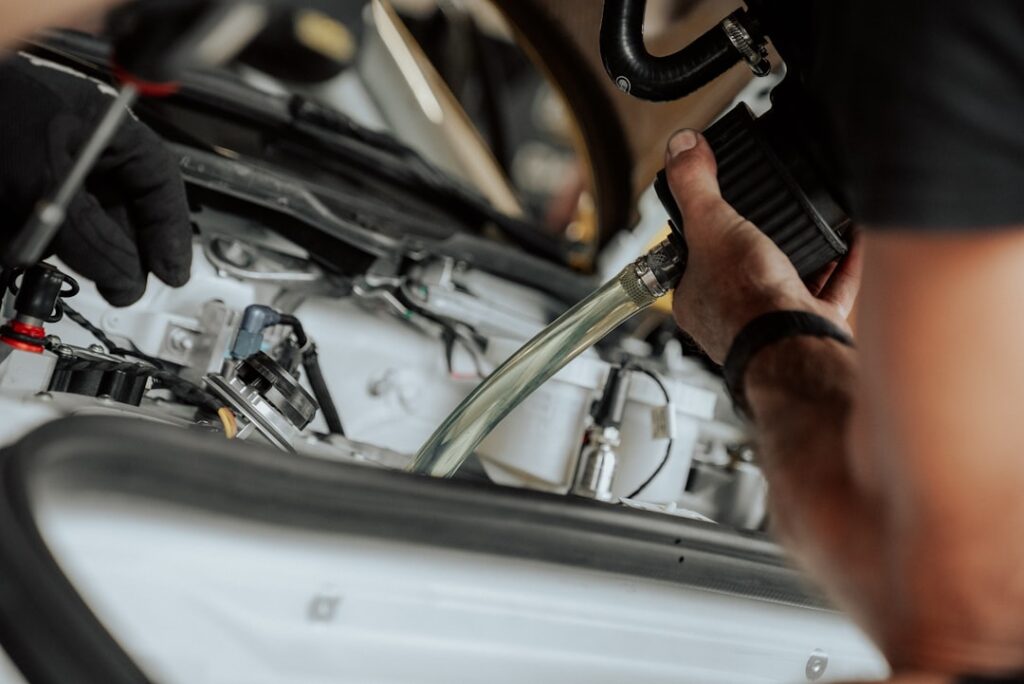
Learning how to change engine oil yourself is one of the simplest ways to save real money on car maintenance — most DIYers finish in under 30 minutes once they’ve done it a couple of times. This guide walks through exactly how to change engine oil yourself, from the tools you need to the drain, filter, and refill steps that prevent leaks afterward.
What You’ll Find in This Guide
- Tools and materials checklist
- Step-by-step process, start to finish
- Proper used oil disposal
- Cost comparison: DIY vs shop
- Frequently asked questions
What You Need Before You Start
| Item | Why You Need It |
|---|---|
| New oil filter (correct part number for your engine) | Filters contaminants out of circulating oil |
| New engine oil (correct viscosity + amount, check owner’s manual) | Most engines take 4–6 quarts |
| Oil filter wrench | Old filters are torqued on tight and often oily |
| Socket wrench or drain plug wrench | Removes the drain plug |
| Drain pan | Catches old oil — don’t skip this |
| Jack and jack stands (or ramps) | Safe under-car access |
| Funnel | Clean refill without spills |
| Gloves and safety glasses | Used oil and drain plug can be hot |
How to Change Engine Oil Yourself — Step by Step
1. Warm the engine briefly. Run it for 3–5 minutes (or just after a short drive) so the oil thins and drains faster and more completely. Let it cool slightly afterward — warm, not hot, prevents burns.
2. Secure the vehicle. Park on level ground, engage the parking brake, then jack up the front end and support it on jack stands (or drive onto ramps). Chock the rear wheels.
3. Locate the oil pan and position the drain pan. The oil pan sits beneath the engine, usually a rectangular metal pan with a drain plug on the bottom. Slide the drain pan underneath it before removing anything.
4. Remove the drain plug. Loosen it with a wrench, then finish removing it by hand — the oil will start flowing as soon as it’s clear of the threads, so keep your hand out of the stream. Let it drain fully, which takes a few minutes.
5. Reinstall the drain plug. Wipe the plug and the pan threads clean, replace the crush washer if your vehicle uses one, and tighten by hand first, then snug it with a wrench — don’t overtighten, which can strip the threads or crack the pan.
6. Remove the old oil filter. Use the oil filter wrench to turn it counterclockwise. Let any remaining oil drain from it into the pan, then set it aside for recycling.
7. Prep and install the new filter. Coat the new filter’s rubber gasket with a thin layer of fresh oil — this helps it seal properly and come off easier next time. Thread it on by hand until the gasket contacts the mounting surface, then turn another 3/4 turn by hand. Do not use the wrench to over-tighten it.
8. Add the new oil. Lower the car, remove the oil fill cap, and use a funnel to add the amount specified in your owner’s manual. Replace the cap.
9. Run the engine and check for leaks. Start it and let it run 30–60 seconds, then shut it off and look underneath for drips around the drain plug and filter.
10. Check the final level. Wait a couple of minutes for the oil to settle, then check the dipstick and top off if needed. If you overfilled, this is also when you’d notice — excess oil should be drained back out rather than left in.
How Often Should You Do This?
The steps above are the same regardless of your oil type — what changes is how often you repeat them. Our complete guide to oil change intervals breaks down the exact mileage for synthetic, conventional, and severe-duty driving.
Disposing of Used Oil Properly
Never pour used oil down a drain or onto the ground — it’s a genuine environmental hazard. According to the EPA’s guidance on recycling used oil, most auto parts stores and service stations accept used oil (and used filters) for free recycling — store it in a sealed, leak-proof container until you drop it off.
Cost Guide: DIY vs Shop
| Option | Cost | Time |
|---|---|---|
| DIY (oil + filter) | $25–60 | 20–30 minutes |
| Quick-lube shop | $40–90 | 15–20 minutes (plus wait) |
| Dealership service | $70–120 | 30–60 minutes (plus wait) |
Frequently Asked Questions
What oil should I use when changing my own engine oil?
Check your owner’s manual for the exact viscosity grade (like 5W-30) and whether it specifies synthetic. Our 5W30 vs 5W40 comparison guide explains what the numbers actually mean if you’re deciding between close options.
Can I reuse the drain plug’s crush washer?
Most manufacturers recommend a new crush washer every oil change since it deforms slightly to seal the first time it’s tightened. Reusing an already-deformed washer raises the risk of a slow leak.
What happens if I put in too much oil?
Overfilling can cause foaming and pressure that damages seals over time, along with the oil intruding into the intake in severe cases. If you overfill, drain the excess back out through the plug rather than leaving it.
Do I need to change the filter every time I change the oil?
Yes — the filter accumulates the same contaminants the fresh oil is meant to avoid, so leaving an old filter in place defeats much of the purpose of the oil change.
Related Guides
After your oil change, use our how to check engine oil level guide to confirm the level and color look correct a few days later. If you notice any drips under the car afterward, our car leaking oil diagnostic guide covers exactly where to look.
Muhammad Ahmad is an automotive enthusiast and the founder of AutoUpdateZone. With years of hands-on experience diagnosing and maintaining vehicles, he has developed a deep understanding of engine systems, electrical diagnostics, brake systems, and preventative maintenance.