Bad Spark Plug Symptoms Every Car Owner Should Know
Spark plugs are small but important components of a petrol engine. They help your car start and run smoothly by producing the electrical spark needed to ignite the air-fuel mixture inside the engine’s cylinders. When spark plugs become worn, dirty, or damaged, your vehicle may develop performance problems that affect fuel consumption, acceleration, and overall reliability.
Many drivers ignore the early signs of bad spark plugs because the symptoms can appear gradually. However, identifying these warning signs early can help prevent further engine problems and unnecessary repair costs.
In this article, we will explain the most common bad spark plug symptoms, what causes spark plugs to fail, how to check for problems, and when you should replace them.
1. Difficulty Starting Your Car
One of the most common symptoms of bad spark plugs is difficulty starting the engine. When you turn the ignition key or press the start button, the engine may crank for longer than usual before starting.
This happens because worn or damaged spark plugs may struggle to produce a strong, consistent spark. Without proper ignition, the air-fuel mixture may not burn as it should.
You may notice that the engine takes several attempts to start, particularly after the car has been parked for a long time.
However, difficult starting does not always mean the spark plugs are faulty. A weak battery, failing ignition coil, fuel delivery problem, or starter motor fault can cause similar symptoms.
If your car repeatedly struggles to start, have the ignition and starting systems inspected.
2. Engine Misfires
Engine misfires occur when one or more cylinders fail to burn the air-fuel mixture properly. Faulty spark plugs are one possible cause.
When a spark plug fails to ignite the mixture at the correct time, the engine may run unevenly or briefly lose power.
Common signs of an engine misfire include:
- Shaking or vibrating while the engine is running.
- Uneven engine performance at idle.
- Sudden hesitation during acceleration.
- A noticeable loss of power.
- A flashing check engine light.
A flashing check engine light can indicate a serious misfire that may damage the catalytic converter. Reduce engine load, stop somewhere safe, and arrange prompt professional assistance rather than continuing to drive normally.
3. Poor Fuel Economy
If your car starts consuming more fuel than usual, worn spark plugs could be part of the problem.
Healthy spark plugs help the engine ignite the air-fuel mixture efficiently. When ignition becomes inconsistent, combustion may be less efficient, and the engine may use more fuel to deliver the same performance.
You might notice that you need to refuel more frequently even though your driving habits have not changed.
However, poor fuel economy can also result from underinflated tires, clogged air filters, faulty oxygen sensors, traffic congestion, or other engine problems.
If your fuel consumption suddenly increases, check the simple maintenance items first and have the engine diagnosed if the problem continues.
4. Rough Idling
A properly functioning engine should generally idle smoothly when the vehicle is stationary.
Bad spark plugs can cause rough idling, making the engine feel unstable while you are waiting at a traffic light or parked with the engine running.
You may notice unusual vibrations through the steering wheel, seats, or dashboard. The engine speed may also fluctuate instead of remaining relatively steady.
Rough idling can become more noticeable when the engine is warm or when electrical and air-conditioning loads are added.
Although faulty spark plugs can cause this problem, dirty fuel injectors, vacuum leaks, ignition coil faults, and engine sensor problems may produce similar symptoms.
A proper inspection can help identify the actual cause.
5. Slow Acceleration and Loss of Engine Power
Your vehicle should respond reasonably well when you press the accelerator. If the spark plugs are worn or failing, the engine may struggle to produce its normal power.
You might notice hesitation when overtaking, climbing a hill, or accelerating from a stop.
In some cases, the car may feel sluggish even when you press the accelerator harder than usual.
This can happen because the engine is not burning the air-fuel mixture efficiently in one or more cylinders.
If your vehicle loses power suddenly, especially when driving in traffic, avoid risky overtaking and seek a professional diagnosis.
Remember that fuel system restrictions, clogged filters, transmission problems, and ignition coil failures can also affect acceleration.
6. The Check Engine Light Comes On
A faulty spark plug can contribute to an engine misfire that triggers the check engine light.
Modern vehicles use sensors and an onboard diagnostic system to detect certain engine problems. When the system identifies a fault, it may store a diagnostic trouble code.
A mechanic can use an OBD-II scanner, where supported, to read the codes and investigate the cause.
Do not assume that every check engine light means you need new spark plugs. The light can indicate many different issues, including faulty sensors, fuel system problems, or ignition coil failures.
If the light remains on, arrange an inspection. If it flashes, treat the situation as more urgent because continued driving with a serious misfire can damage the catalytic converter.
7. Unusual Engine Noises
Bad spark plugs may contribute to irregular combustion, which can make the engine run unevenly or sound different from normal.
You may hear sputtering, intermittent popping, or unusual changes in engine sound, particularly when accelerating.
However, knocking or metallic rattling should not automatically be blamed on spark plugs. Such noises can indicate other problems, including incorrect fuel, combustion issues, or mechanical damage.
If you hear a loud knocking sound, experience severe vibration, or notice a sudden change in engine performance, stop driving when it is safe and have the vehicle checked.
8. Increased Exhaust Emissions or a Strong Fuel Smell
When a spark plug fails to ignite the air-fuel mixture properly, some fuel may leave the cylinder unburned. This can contribute to increased hydrocarbon emissions and, in certain cases, a noticeable fuel smell from the exhaust.
You may also notice unusual exhaust behavior alongside rough running or poor fuel economy.
A strong smell of raw petrol can also indicate a fuel leak or another serious fuel system problem. If you smell fuel strongly around the vehicle, switch off the engine when safe, keep away from flames or sparks, and seek professional assistance.
Do not ignore persistent exhaust changes, especially when they occur with a check engine light or engine misfires.
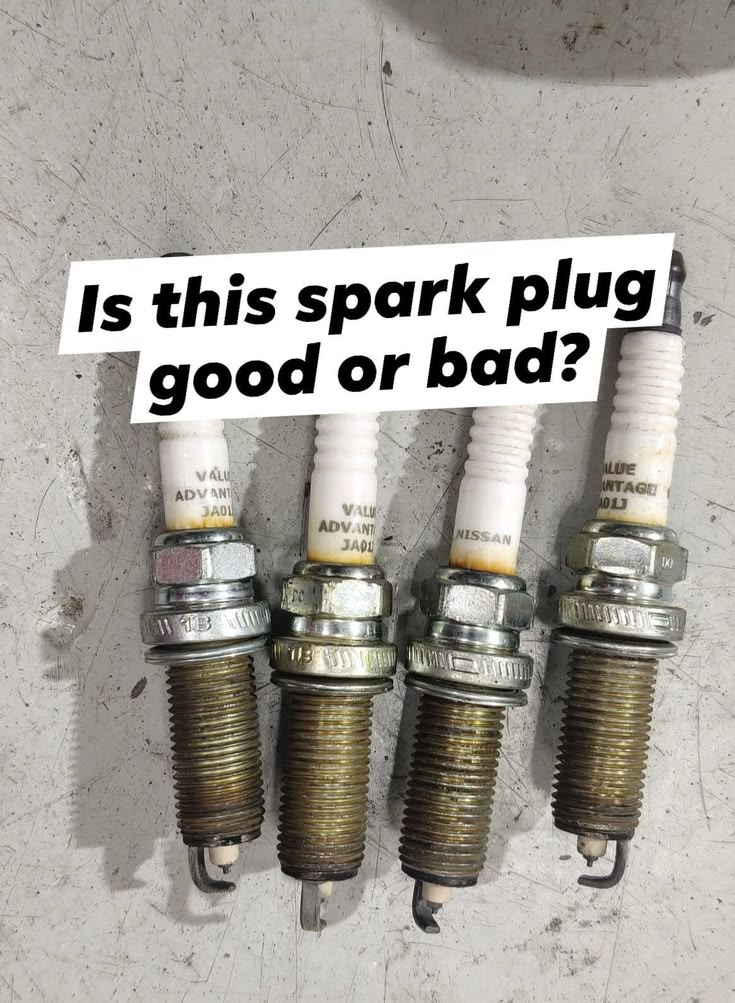
9. Visible Signs of Spark Plug Damage
If you have the right tools and experience, inspecting the spark plugs may reveal signs of wear or damage. Beginners should consider having a qualified mechanic perform this check.
Possible warning signs include:
- Worn electrodes: The metal tips may be rounded or worn beyond the recommended condition.
- Heavy deposits: Carbon or other deposits may build up on the plug.
- Oil contamination: Oil on the firing end can indicate an engine problem that needs further investigation.
- Cracked ceramic: Damage to the ceramic insulator may interfere with ignition.
- Incorrect gap: The gap between the electrodes may be outside the manufacturer’s specification.
Different deposits can indicate different underlying problems. Simply replacing the spark plugs may not solve the issue if oil is entering the combustion chamber or the engine has another fault.
10. When Should You Replace Spark Plugs?
Spark plug replacement intervals depend on the vehicle, engine design, and type of spark plug.
Some conventional copper spark plugs need replacement after a relatively short service interval, while many iridium or platinum plugs are designed to last much longer.
The best approach is to follow the maintenance schedule in your owner’s manual. Replace the plugs sooner if testing confirms that they are damaged or failing.
When replacing spark plugs, use the correct type and heat range, and follow the manufacturer’s torque specifications. Incorrect installation can damage engine components or create ignition problems.
It is often sensible to replace the plugs as a set when they are due for scheduled replacement, but the correct approach depends on the manufacturer’s recommendations and the condition of the existing plugs.
How to Prevent Spark Plug Problems
You can reduce the chances of spark plug problems by following a few simple maintenance practices:
- Service your vehicle according to the manufacturer’s schedule.
- Use the recommended spark plug type.
- Address engine misfires and warning lights promptly.
- Use suitable fuel from reputable suppliers.
- Fix oil leaks or other engine problems that may contaminate spark plugs.
- Have the ignition system inspected if your car repeatedly struggles to start or loses power.
Regular maintenance is especially useful if you frequently drive in heavy traffic or make many short trips, which can affect engine operating conditions.
Conclusion
Bad spark plugs can cause several problems, including difficult starting, rough idling, engine misfires, poor fuel economy, slow acceleration, and an illuminated check engine light.
Recognizing these symptoms early can help you address ignition problems before they lead to more expensive repairs. However, because many engine faults produce similar warning signs, it is important to confirm the cause before replacing parts.
Follow your vehicle’s recommended maintenance schedule and seek professional help if you notice persistent misfires, severe power loss, unusual engine noises, or a flashing check engine light.
Remember: Spark plugs may be small, but keeping them in good condition plays an important role in your engine’s performance, fuel efficiency, and reliability.