A Complete Car Maintenance Checklist for Beginners

Owning a car comes with the responsibility of keeping it in good condition. Regular car maintenance helps prevent unexpected breakdowns, improves fuel efficiency, extends the life of your vehicle, and keeps you safe on the road. However, if you are a beginner, knowing what to check and when to service your car can feel confusing.
The good news is that car maintenance does not have to be complicated. With a simple checklist and a regular schedule, you can take better care of your vehicle and avoid many expensive repairs.
In this guide, we will explain the essential car maintenance tasks every beginner should know, including daily checks, monthly inspections, routine servicing, and important warning signs to watch for.
1. Check Your Engine Oil Regularly
Engine oil lubricates the moving parts inside your engine, reduces friction, and helps prevent overheating. Driving with low or dirty engine oil can cause serious engine damage.
Check your engine oil regularly, preferably at least once a month and before long trips. Park on level ground, switch off the engine, and allow it to cool according to your vehicle manufacturer’s instructions. Use the dipstick to check the oil level.
If the level is below the recommended mark, add the correct type of oil. Avoid overfilling, and investigate any unusual drop in oil level.
Maintenance tip: Follow your owner’s manual for the recommended oil grade and oil-change interval.
2. Inspect Your Car Tires
Your tires are essential for safe braking, steering, and road grip. Poorly maintained tires can increase fuel consumption and make driving dangerous, especially on wet or slippery roads.
Check your tires at least once a month for:
- Correct tire pressure.
- Uneven tread wear.
- Cuts, cracks, or bulges.
- Nails or other objects stuck in the rubber.
- Adequate tread depth.
Use the tire pressure recommended by your vehicle manufacturer, usually shown on a sticker inside the driver’s door or in the owner’s manual. Check pressure when the tires are cold.
Remember to inspect your spare tire as well. If your tires wear unevenly, a wheel alignment or suspension inspection may be necessary.
3. Check the Engine Coolant Level
Engine coolant helps regulate engine temperature and prevents overheating. A low coolant level may indicate a leak or another cooling-system problem.
Check the coolant level in the reservoir when the engine is completely cool. It should generally be between the minimum and maximum marks.
If the coolant level keeps dropping, have the system inspected by a qualified mechanic.
Important: Never open the radiator cap while the engine is hot. Pressurized coolant can cause severe burns. Use the coolant type recommended for your vehicle rather than mixing different products without checking compatibility.
4. Inspect Your Car Battery
A weak battery can leave you stranded without warning. High temperatures, frequent short trips, and electrical problems can affect battery performance.
Check your battery for corrosion around the terminals, loose connections, damaged cables, or signs of leakage. Keep the terminals clean and secure, following appropriate safety precautions.
If the engine cranks slowly, the headlights appear unusually dim, or the battery warning light stays on while driving, arrange for the charging system and battery to be tested.
Many car batteries last several years, but their actual lifespan depends on the battery type, climate, and driving conditions.
5. Test Your Brakes
Your braking system is one of the most important safety features in your vehicle. Checking it regularly helps you identify problems before they become dangerous.
Pay attention to the following warning signs:
- Squealing or grinding noises when braking.
- A brake pedal that feels soft or sinks unusually low.
- Vibrations when applying the brakes.
- A vehicle that pulls to one side during braking.
- A brake warning light on the dashboard.
If you notice any of these symptoms, have your brakes inspected promptly. Do not ignore grinding noises or a significant change in braking performance.
Brake pads, discs, brake fluid, and other components should be checked according to the manufacturer’s service schedule.
6. Check All Lights and Indicators
Working lights help you see clearly and allow other road users to understand your intentions.
At least once a month, test your:
- Headlights and high beams.
- Brake lights.
- Turn signals.
- Reverse lights.
- Hazard warning lights.
- Number plate lights.
Ask someone to help you check the rear lights while you operate the controls. Replace faulty bulbs with the correct type and check the relevant fuse if a light does not work.
Proper lighting is especially important when driving at night, in heavy rain, or through areas with poor visibility.
7. Inspect Essential Fluids
Your vehicle uses several fluids to operate correctly. Low, dirty, or leaking fluids can lead to expensive repairs.
Check these fluids according to your owner’s manual:
- Brake fluid: Supports the hydraulic braking system.
- Transmission fluid: Helps lubricate and operate many automatic transmissions.
- Power steering fluid: Used in vehicles with hydraulic power steering.
- Windshield washer fluid: Helps keep the windshield clean.
- Engine coolant: Helps regulate engine temperature.
Not every vehicle has all these fluids. Some transmissions and steering systems are sealed or use different designs, so follow the manufacturer’s instructions.
Look beneath your parked vehicle for fresh puddles or unusual stains. If you notice a leak, have it identified rather than simply topping up the fluid repeatedly.
8. Replace Air Filters When Necessary
Most cars have an engine air filter that prevents dust and debris from entering the engine. A dirty filter can restrict airflow and affect performance.
Inspect the engine air filter at the interval recommended by the manufacturer. Replace it when it is dirty or due for replacement.
If you frequently drive on dusty roads, you may need to inspect it more often.
Many vehicles also have a cabin air filter. This filter helps remove dust and particles from the air entering the passenger compartment. Replacing it when necessary can improve airflow from the air conditioning system and reduce unpleasant odors.
9. Maintain Your Windshield Wipers
Windshield wipers help maintain visibility during rain. Worn or damaged blades can leave streaks, make squeaking noises, or fail to clear water properly.
Inspect your wiper blades regularly and replace them when they become cracked, brittle, or ineffective. Keep the windshield clean and ensure the washer system has enough suitable fluid.
In Nigeria’s rainy season, good wipers are particularly important because sudden heavy rainfall can reduce visibility within seconds.
Never drive if your windshield is too difficult to see through safely.
10. Follow a Regular Service Schedule
Routine servicing allows a mechanic to identify problems before they become serious. Your vehicle’s service schedule will depend on its make, model, age, mileage, and driving conditions.
A basic schedule for beginners may look like this:
| Frequency | Maintenance task |
|---|---|
| Before driving | Look for obvious leaks, check tires visually, and confirm that warning lights behave normally |
| Monthly | Check tire pressure, engine oil, coolant reservoir, lights, and wipers |
| At scheduled service intervals | Change engine oil and filter when due; inspect brakes, filters, belts, and other components |
| Before long trips | Check tires, fluid levels, lights, spare tire, and essential emergency equipment |
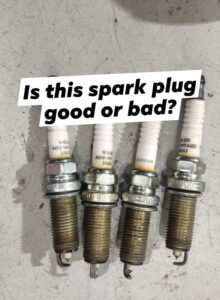
| As recommended by the manufacturer | Service the transmission, inspect spark plugs, and replace timing belts or other scheduled components |
These are general guidelines, not universal intervals. Always use your owner’s manual as the main reference for maintenance dates and mileage.
11. Pay Attention to Dashboard Warning Lights
Dashboard warning lights alert you to problems that may require attention. Beginners should learn the meaning of the most important symbols in their vehicles.
A red oil-pressure warning light, a temperature warning indicating overheating, or a brake warning accompanied by poor braking may signal a serious problem. Safely pull over and switch off the engine when necessary.
A check engine light can indicate anything from a minor emissions issue to a more serious engine problem. If it flashes, reduce engine load and stop safely as soon as possible, because continued driving may cause damage.
Do not ignore warning lights or assume the vehicle is fine simply because it still drives normally.
12. Keep Basic Maintenance Records
Keeping records helps you remember when your car was last serviced and which components need attention.
Create a notebook or digital record containing:
- Date and mileage of each service.
- Engine oil and filter replacement dates.
- Tire replacements and rotations.
- Battery replacement date.
- Brake inspections and repairs.
- Other repairs and maintenance costs.
These records can help you plan your budget, avoid missed services, and provide useful information when visiting a mechanic.
Conclusion
Car maintenance becomes easier when you follow a simple checklist and inspect your vehicle regularly. Checking engine oil, tires, coolant, brakes, lights, battery, and other essential components can help you identify problems early and keep your car running reliably.
You do not need to be an expert mechanic to perform basic checks. However, complex repairs and safety-critical problems should be handled by a qualified professional.
Start with the simple tasks, follow your vehicle manufacturer’s recommendations, and keep accurate service records. With consistent care, you can reduce unexpected repair costs, improve safety, and extend the useful life of your car.
Remember: regular maintenance is usually cheaper and safer than waiting for a breakdown.