How to Improve Your Car’s Fuel Efficiency
Fuel is one of the major expenses of owning and driving a car. Whether you use your vehicle for daily commuting, business, family trips, or long-distance travel, poor fuel efficiency can quickly increase your running costs. The good news is that you can reduce fuel consumption by changing a few driving habits and maintaining your vehicle properly.
Improving your car’s fuel efficiency does not always require expensive upgrades or complicated repairs. Simple actions such as maintaining the correct tire pressure, avoiding unnecessary idling, and servicing your engine regularly can help you get more distance from every litre of fuel.
In this guide, we will explain practical ways to improve your car’s fuel efficiency, reduce unnecessary fuel expenses, and keep your vehicle running smoothly.
1. Maintain the Correct Tire Pressure
Your car’s tires play an important role in fuel consumption. When tires are underinflated, they create more rolling resistance, meaning the engine needs to use more energy to move the vehicle.
This extra effort can increase fuel consumption over time. Underinflated tires may also wear unevenly and affect your vehicle’s handling.
Check your tire pressure at least once a month and before long trips. Use the pressure recommended by your vehicle manufacturer, which is usually listed on a sticker inside the driver’s door or in the owner’s manual.
Avoid inflating your tires beyond the recommended pressure in an attempt to save fuel. Overinflation can reduce grip and cause uneven tire wear.
2. Drive Smoothly and Avoid Sudden Acceleration
Your driving style can significantly affect how much fuel your vehicle uses. Rapid acceleration, harsh braking, and frequent changes in speed often waste energy.
Instead, accelerate gradually and maintain a steady speed whenever road conditions allow. Look ahead to anticipate traffic lights, slowing vehicles, and road hazards so you can reduce speed smoothly.
For example, if you see traffic slowing down ahead, ease off the accelerator early rather than accelerating hard and braking suddenly.
Smooth driving can improve fuel economy while reducing wear on your brakes and other vehicle components.
However, always prioritize road safety. Accelerate when necessary to merge safely or avoid a dangerous situation.
3. Avoid Unnecessary Idling
Leaving your engine running while your car is stationary wastes fuel without moving you anywhere.
Long periods of idling can occur when waiting outside a shop, sitting in a parking area, or allowing the engine to run while making a phone call.
If you expect to be stopped for an extended period and it is safe and appropriate to do so, switching off the engine may reduce fuel waste. Follow your vehicle manufacturer’s guidance, especially if your car has a start-stop system or special operating requirements.
Modern engines generally do not need long periods of idling to warm up. After starting, allow the engine to stabilize briefly and drive gently until it reaches normal operating temperature.
Avoid switching the engine off in situations where doing so could create a safety risk or interfere with vehicle systems.
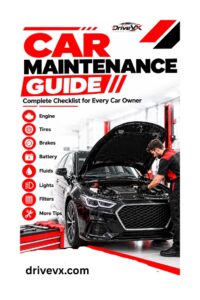
4. Service Your Car Regularly
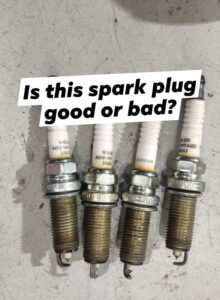
Regular maintenance helps your vehicle operate efficiently. Problems such as worn spark plugs, dirty air filters, faulty sensors, or incorrect engine settings can contribute to poor fuel economy.
Follow your manufacturer’s service schedule and make sure essential maintenance tasks are completed on time.
Important items to inspect include:
- Engine oil and oil filter.
- Engine air filter.
- Spark plugs in petrol engines.
- Fuel and ignition systems.
- Oxygen sensors and other engine sensors.
- Brakes and wheel alignment when symptoms indicate a problem.
Use the engine oil grade recommended for your vehicle. The wrong oil can affect engine performance and may increase friction.
If your fuel consumption suddenly increases, arrange an inspection rather than replacing parts without confirming the cause.
5. Reduce Unnecessary Weight
Carrying unnecessary weight can make your vehicle use more fuel, especially during frequent acceleration and stop-start driving.
Check your boot and remove items you do not need. Heavy tools, unused equipment, and other belongings can add weight over time.
You should also remove roof racks, cargo boxes, or other external accessories when they are not needed. These accessories can increase aerodynamic drag, particularly at higher speeds.
Do not remove essential safety equipment, such as your spare tire or emergency supplies, simply to save a small amount of fuel.
The aim is to eliminate unnecessary weight without compromising safety or preparedness.
6. Use the Air Conditioner Wisely
Air conditioning makes driving more comfortable, particularly in hot weather, but it can increase fuel consumption because the system places an additional load on the engine in many vehicles.
You do not need to avoid air conditioning completely to save fuel. Instead, use it sensibly.
Park in the shade when possible to reduce the heat that builds up inside the car. When the cabin is extremely hot, ventilate it briefly before using the air conditioner.
Once the cabin reaches a comfortable temperature, adjust the settings rather than continuously selecting the coldest setting.
At higher speeds, opening the windows can increase aerodynamic drag, so air conditioning may be more efficient than driving with several windows open. The best option depends on your vehicle, speed, and conditions.
7. Plan Your Trips Carefully
Frequent short trips, unnecessary detours, and driving through heavy traffic can increase fuel consumption.
Planning your journeys helps reduce wasted time and distance. If you have several errands, consider completing them in one trip rather than making separate journeys throughout the day.
Check your route before leaving and consider traffic conditions where reliable information is available.
In Nigeria, congestion in busy cities can cause repeated stopping and starting, which wastes fuel. If your schedule allows, traveling outside the busiest periods may help you spend less time in traffic.
When practical, combine nearby errands, share journeys, or use public transportation for trips that do not require a personal vehicle.
8. Maintain a Steady Speed
Driving at a consistent, moderate speed is generally more fuel-efficient than repeatedly accelerating and braking.
On highways, use a sensible speed that follows the law and suits traffic, weather, and road conditions. Fuel consumption usually increases at higher speeds because aerodynamic resistance rises.
If your vehicle has cruise control, it may help maintain a steady speed on suitable, relatively flat roads with light traffic.
Do not use cruise control on slippery roads, in heavy traffic, or where frequent speed adjustments are necessary. Staying alert and maintaining control should always come first.
9. Use the Correct Fuel for Your Vehicle
Always use the fuel grade recommended by your vehicle manufacturer.
Using a higher-octane petrol than your engine requires does not automatically improve fuel economy or performance. Similarly, using fuel below the required specification can cause engine knocking or other problems in engines designed for higher-octane fuel.
Purchase fuel from reputable stations and pay attention to changes in engine performance after refueling.
If your vehicle begins running poorly or consuming significantly more fuel, have it inspected instead of assuming that the fuel type is the only cause.
10. Check Wheel Alignment and Brake Condition
Poor wheel alignment can cause tires to drag or wear unevenly, which may increase rolling resistance. If your steering wheel is off-center or the vehicle pulls to one side, have the alignment checked.
Brakes that drag or fail to release properly can also make the engine work harder to move the vehicle.
Watch for unusual heat from a wheel, burning smells, or a car that feels difficult to move. These symptoms need prompt professional inspection.
Wheel alignment and brake servicing should be performed when needed rather than automatically assuming they are responsible for every increase in fuel consumption.
11. Monitor Your Fuel Consumption
One of the best ways to improve fuel efficiency is to measure it.
After filling your tank, reset your trip meter. At the next fill-up, record how many litres you purchased and how far you traveled.
You can calculate fuel consumption using this formula:
Fuel consumption (litres per 100 km) = Litres used ÷ Distance travelled × 100
For example, if you use 20 litres to travel 250 kilometres:
20 ÷ 250 × 100 = 8 litres per 100 km.
A lower litres-per-100-kilometres figure means better fuel efficiency. If you prefer kilometres per litre, divide the distance travelled by the litres used. In this example, the car achieves 12.5 km per litre.
Track your results over several refills because traffic, weather, road conditions, and driving habits can cause normal variations.
Conclusion
Improving your car’s fuel efficiency is possible through consistent maintenance, sensible driving habits, and better trip planning. Keeping your tires properly inflated, avoiding aggressive acceleration, reducing unnecessary weight, and servicing your vehicle on time can all help reduce fuel waste.
You should also monitor your fuel consumption so you can recognize changes and investigate possible mechanical problems early.
Remember that fuel economy varies by vehicle type, engine size, traffic conditions, and road quality. There is no single trick that guarantees major savings, but small improvements can add up over time.
The best way to save fuel is to drive smoothly, maintain your car properly, and address problems before they become expensive repairs.