Engine Oil Pump Symptoms: Signs of Failure and Replacement Cost
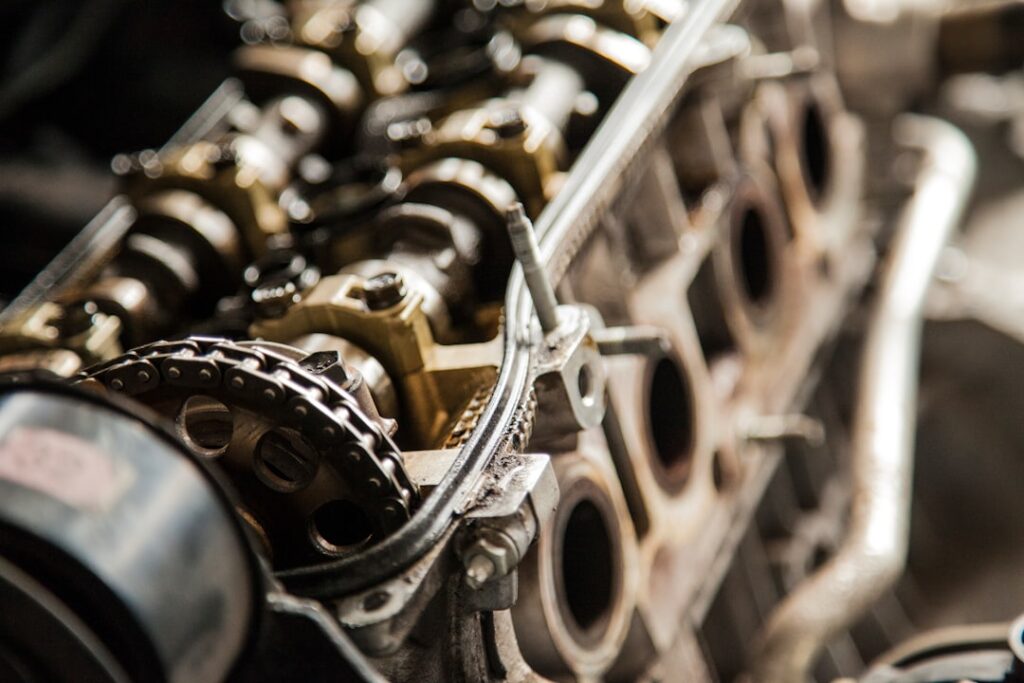
Engine oil pump symptoms are easy to confuse with a dozen other problems, because a failing pump usually shows up first as the same low oil pressure warning light that a bad sensor triggers. The difference matters enormously — one is a $50 fix, the other can mean a rebuilt engine if ignored. This guide covers the real symptoms, how to tell a pump problem from a sensor problem, and what replacement actually costs.
What You’ll Find in This Guide
- 60-second symptom reference table
- Oil pump vs. oil pressure sensor — how to tell them apart
- Why ignoring this is expensive
- Replacement cost guide
- Frequently asked questions
Engine Oil Pump Symptoms at a Glance
| Symptom | What It Suggests | Urgency |
|---|---|---|
| Low oil pressure warning light, oil level and sensor both confirmed fine | Pump likely failing to generate pressure | 🔴 Stop driving, don’t guess |
| Ticking or ticking-then-knocking noise from valvetrain area | Insufficient lubrication reaching lifters/rockers | 🔴 Real engine damage risk |
| Engine runs hotter than normal without a coolant leak | Reduced oil flow means less cooling of moving parts | 🟠 Get inspected soon |
| Noise gets worse at idle, improves at higher RPM | Classic low oil pressure pattern (pump struggles at low RPM) | 🔴 Real engine damage risk |
| Whining or grinding noise from the pump area itself | Internal pump wear or damaged gears | 🟠 Get inspected soon |
| Reduced power or hesitation under load | Possible on some vehicles as oil pressure drops | 🟠 Get inspected soon |
Oil Pump vs. Oil Pressure Sensor: How to Tell Them Apart
This is the single most important distinction most guides skip. Both a failing pump and a failing sensor trigger the exact same dashboard warning light, but they’re completely different repairs — a sensor is a $50–350 fix, while a pump often means significant labor to access.
The test that separates them: a mechanic can install a temporary mechanical oil pressure gauge directly into the engine, bypassing the electronic sensor entirely. If that mechanical gauge shows normal pressure, the sensor is the problem and the pump is fine. If the mechanical gauge also shows low pressure, the pump itself isn’t generating adequate flow — confirming a real pump problem. Our oil pressure sensor guide covers the sensor-specific symptoms if you want to rule that out first, since it’s the cheaper and more common cause of the same warning light.
Why This Isn’t Something to Wait On
Every moving part inside your engine — pistons, bearings, camshaft, valvetrain — relies on a constant film of pressurized oil to prevent direct metal-on-metal contact. When the pump can’t maintain that pressure, this protective film breaks down within seconds, not minutes. What starts as a ticking noise can progress to catastrophic bearing failure in a surprisingly short amount of continued driving, turning what might have been a $500–1,000 repair into a $5,000+ engine replacement.
Common Causes of Oil Pump Failure
A clogged pickup screen — the intake filter for the pump itself — is one of the most common causes, especially in engines with a history of infrequent oil changes, since sludge and debris accumulate and restrict flow. Worn internal gears or rotors inside the pump reduce its ability to generate pressure as they age, particularly in high-mileage engines. Low oil level or the wrong oil viscosity can also starve the pump of what it needs to build pressure properly, which is why regular oil changes with the correct spec genuinely extend pump life.
Replacement Cost Guide
| Scenario | Estimated Cost |
|---|---|
| Easy-access pump (front of engine, minimal disassembly) | $300–600 |
| Standard replacement (oil pan removal required) | $400–1,000 |
| Complex replacement (timing components must be removed) | $1,000–2,500+ |
| Diagnostic mechanical pressure test (before committing to repair) | $50–150 |
Mistakes to Avoid
- Replacing the pump without confirming it first — always get a mechanical pressure test, since sensor failure is far more common and far cheaper
- Continuing to drive with the warning light on — even a short drive can turn survivable wear into a rebuild
- Ignoring a ticking noise that only appears at idle — this is a classic early pattern, not something to wait out
Frequently Asked Questions
Can I drive with a bad oil pump?
No. Unlike many car problems that allow some driving before repair, inadequate oil pressure causes rapid, compounding engine damage. If a mechanical pressure test confirms the pump is at fault, the vehicle should be towed rather than driven to a shop.
What does a failing oil pump sound like?
Most commonly a ticking or tapping noise from the top of the engine (the valvetrain, starved of proper lubrication), sometimes accompanied by a whining or grinding sound from the pump itself if the internal gears are worn.
How long does an oil pump normally last?
A healthy oil pump typically lasts the life of the engine when oil changes are kept current, since consistent clean oil is what prevents the sludge buildup and wear that cause premature pump failure.
Is a bad oil pump the same as low oil pressure?
A bad oil pump is one specific cause of low oil pressure, but not the only one — a failing sensor giving a false reading, a low oil level, or a clogged pickup screen can all produce similar symptoms without the pump itself being damaged.
Related Guides
Before assuming it’s the pump, rule out the cheaper and more common cause with our oil pressure sensor symptoms guide. Regular maintenance with our engine oil change guide is the single best way to prevent pump failure in the first place.
Muhammad Ahmad is an automotive enthusiast and the founder of AutoUpdateZone. With years of hands-on experience diagnosing and maintaining vehicles, he has developed a deep understanding of engine systems, electrical diagnostics, brake systems, and preventative maintenance.