GM 6.2L Engine Problems: L86 and L87 Common Issues Explained
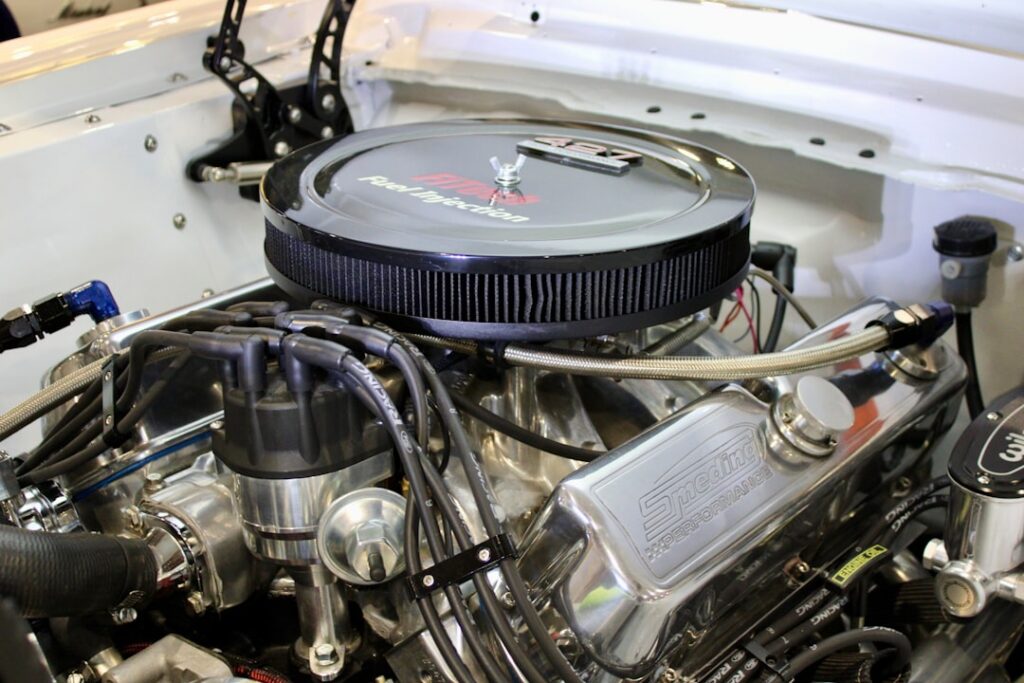
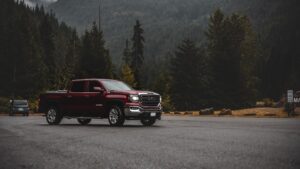
GM’s 6.2-liter V8 (badged L86 or L87 depending on year) powers everything from the Silverado and Sierra to the Tahoe, Suburban, Yukon, and Escalade. It’s a capable, powerful engine, but the two generations have distinctly different known issues — and one of them is serious enough that it deserves top billing rather than being buried under routine maintenance topics. This guide covers both generations honestly.
What You’ll Find in This Guide
- L86 vs. L87 — which one you have and why it matters
- The serious L87 rotating assembly issue (2019+)
- Common issues shared across both generations
- Repair cost guide
- Frequently asked questions
GM 6.2L Engine Problems at a Glance
| Issue | Affected Engine | Warning Sign |
|---|---|---|
| Rotating assembly / bearing failure | L87 (2019 and later) | Sudden power loss, engine seizing — often no prior warning |
| AFM/DFM lifter collapse, bent pushrods | Both L86 (AFM) and L87 (DFM) | Ticking noise, misfires, rough idle |
| Carbon buildup on intake valves | Both — direct injection design | Rough idle, hesitation, slow acceleration over time |
| Oil consumption | Both, related to AFM/DFM cylinder deactivation | Needing to top off oil between changes |
| Stalling during hard turns | Reported on some L86 vehicles | Momentary power loss returning wheel to center |
First: Know Which Engine You Have
The L86 debuted in 2014 and uses Active Fuel Management (AFM) — a simpler cylinder deactivation system. The L87 replaced it starting in 2019 and uses Dynamic Fuel Management (DFM), a more complex system capable of 17 different cylinder-firing patterns for better efficiency. This distinction matters because the most serious known issue below is specific to the L87, not the L86.
The L87 Rotating Assembly Issue (2019 and Later) — Read This First
This is the GM 6.2 engine problem that deserves the most attention, and it’s often buried under routine maintenance topics in other guides. Owners of 2019-and-later L87 engines have widely reported sudden bearing or rotating assembly failures — the engine loses power or seizes, sometimes at highway speed, often without meaningful warning beforehand. In the most severe reported cases, connecting rod damage has been serious enough to compromise the engine block itself. This pattern has drawn attention from the National Highway Traffic Safety Administration, and affected owners can check NHTSA’s recall database directly by VIN for the latest status on their specific vehicle.
What this means practically: if you own or are considering a 2019+ Silverado, Sierra, Tahoe, Suburban, Yukon, or Escalade with the L87, staying current on any manufacturer communications about this engine and checking your VIN periodically is genuinely worthwhile — this isn’t a routine wear item, it’s a documented reliability concern specific to this engine generation.
AFM/DFM Lifter Failure (Both Generations)
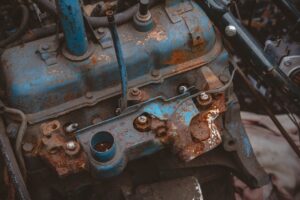
Both the L86’s AFM and the L87’s DFM systems rely on specialized lifters that collapse and expand to deactivate cylinders under light load. These lifters are a common failure point on both generations — when one fails, it typically causes a persistent tick noise, rough idle, and can bend the pushrod it operates, since the cylinder heads have to come off to properly diagnose and repair this.
Carbon Buildup (Direct Injection)
Like most direct-injection engines, the 6.2L doesn’t spray fuel across the intake valves the way older port-injection engines did, so carbon naturally accumulates on the valves over tens of thousands of miles without that self-cleaning effect. Left unaddressed, this gradually causes rough idle, hesitation, and reduced fuel efficiency — professional walnut-shell blasting is the standard fix.
Oil Consumption
Related to the cylinder deactivation systems on both generations, many owners report needing to top off oil between scheduled changes. This is worth tracking with a dipstick check every couple of weeks rather than assuming it’s normal, since consistently low oil accelerates wear on every other component in this list.
Repair Cost Guide
| Repair | Estimated Cost |
|---|---|
| AFM/DFM lifter and pushrod replacement | $1,500–3,500+ |
| Carbon buildup cleaning (walnut blasting) | $300–600 |
| Rotating assembly / bearing repair (severe cases) | Often engine replacement territory — check warranty and recall status first |
| Routine oil change (correct spec) | $60–120 |
Frequently Asked Questions
Is the GM 6.2L engine reliable?
The L86 (2014–2018) has a solid track record outside of the AFM lifter and carbon buildup issues common to this engine family. The L87 (2019+) carries the additional, more serious rotating assembly concern described above, which is worth researching specifically before buying a vehicle with this engine.
How do I know if I have the L86 or L87?
Model year is the primary indicator — 2019 and later trucks and SUVs with the 6.2L generally use the L87, while 2014–2018 models use the L86. Your owner’s manual or a VIN decode will confirm the exact engine code.
Should I avoid buying a 2019+ truck with the L87 engine?
Not necessarily, but it’s worth checking the specific vehicle’s service history, any manufacturer communications, and its NHTSA recall status by VIN before purchasing, given the documented rotating assembly concern on this generation.
Can I prevent AFM/DFM lifter failure?
Staying current on oil changes with the correct viscosity and keeping an eye on oil consumption both help, since these lifters depend on clean oil and proper pressure to function correctly.
Related Guides
If you’re hearing a tick or knock specifically, our engine knocking sound diagnostic guide helps narrow down the cause by sound pattern. Our 5.3L Chevy engine problems guide covers GM’s other popular small-block V8 if you’re comparing engine options.
Muhammad Ahmad is an automotive enthusiast and the founder of AutoUpdateZone. With years of hands-on experience diagnosing and maintaining vehicles, he has developed a deep understanding of engine systems, electrical diagnostics, brake systems, and preventative maintenance.