Car Battery Voltage: What’s Normal, Low, or Dead
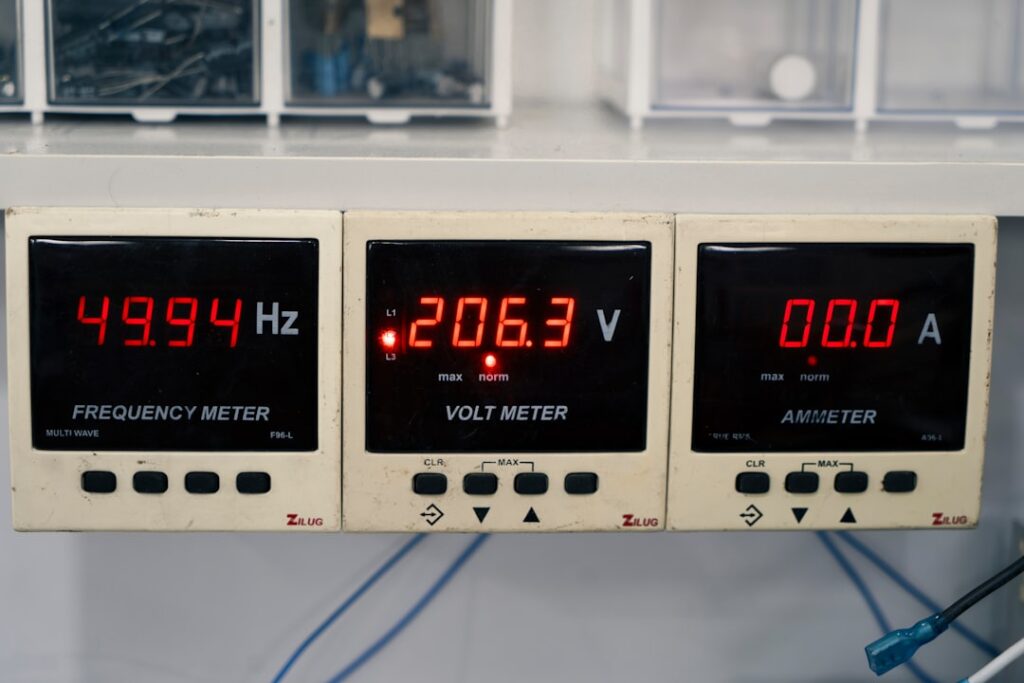
Car battery voltage tells you exactly how charged your battery is, but only if you know what to compare your reading against. This guide is the complete reference: every normal range, what a low reading actually means, and the overcharging threshold most guides leave out entirely.
What You’ll Find in This Guide
- Complete voltage reference table by condition
- State-of-charge percentage chart
- The overcharging danger zone most guides skip
- Why the same number means different things at rest vs. running
- Frequently asked questions
Car Battery Voltage Reference Table
| Reading | Condition | What It Means |
|---|---|---|
| 12.6V to 12.8V | Engine off (resting) | Fully charged, healthy |
| 12.4V to 12.5V | Engine off (resting) | About 75% charged |
| 12.2V | Engine off (resting) | About 50% charged |
| 12.0V | Engine off (resting) | About 25% charged |
| 11.8V or below | Engine off (resting) | Essentially dead, will struggle to start |
| 13.7V to 14.7V | Engine running | Normal, alternator charging correctly |
| Under 13.5V | Engine running | Alternator undercharging, get it tested |
| Over 14.8V, consistently | Engine running | Overcharging, faulty voltage regulator, can boil battery acid |
| Above 9.6V | While cranking (starting) | Battery holding up under load, normal |
| Below 9.6V | While cranking (starting) | Battery failing under load, even if resting voltage looked fine |
State of Charge: Voltage to Percentage
Since resting voltage drops in a fairly predictable way as charge depletes, you can estimate your battery’s approximate state of charge directly from the reading:
| Voltage | Approximate Charge |
|---|---|
| 12.6V+ | 100% |
| 12.4V | 75% |
| 12.2V | 50% |
| 12.0V | 25% |
| 11.8V or lower | 0% (discharged) |
A battery sitting at 50% charge or lower for extended periods accelerates sulfation, a buildup on the internal plates that permanently reduces capacity. This is why a battery left discharged for weeks, a car parked at an airport for example, often needs replacement even though it was not dead in the sense of being unable to hold any charge at all.
Why the Same Number Means Different Things at Rest vs. Running
A reading of 12.6V with the engine off tells you about stored charge. A reading of 13.7V to 14.7V with the engine running tells you something completely different, that the alternator is actively generating power and pushing current back into the battery. Comparing a running-engine reading against the resting-voltage table, or vice versa, is the single most common mistake people make when checking battery voltage, and it leads to false conclusions in both directions: a healthy running voltage can look alarming if you compare it to the resting chart, while a genuinely weak alternator can look fine if you only check resting voltage after the car has been running.
The Overcharging Danger Zone Most Guides Skip
Most voltage guides focus entirely on undercharging, but a voltage regulator failure can push the alternator to overcharge instead, and this gets far less attention despite being genuinely damaging. If your multimeter consistently reads above 14.8V with the engine running, not just a brief spike but a sustained high reading, the voltage regulator inside the alternator is likely failing. Overcharging boils the electrolyte inside the battery, which permanently damages internal components and can cause the battery to swell, vent gas, or fail entirely, sometimes within weeks of the regulator fault starting. This is worth checking specifically, not just assuming higher voltage is always better.
Testing Tip: Let Surface Charge Fade First
If you just finished driving, wait a few minutes before checking resting voltage, since the alternator leaves a temporary surface charge that inflates the reading. For a genuinely accurate resting voltage, let the car sit for at least an hour, or turn on the headlights for two minutes first to dissipate the surface charge faster. Our complete battery testing guide covers the full step-by-step multimeter procedure if you haven’t done this before.
Frequently Asked Questions
What voltage should a car battery be?
A healthy car battery reads 12.6V to 12.8V with the engine off, and 13.7V to 14.7V with the engine running. Readings outside these ranges point to either a discharged battery, a failing alternator, or a voltage regulator problem, depending on the direction and condition.
Is 12.2 volts a good car battery?
12.2V indicates roughly 50% state of charge. The battery isn’t dead, but it’s significantly discharged and should be recharged soon. Extended time at this level or lower accelerates permanent capacity loss through sulfation.
What voltage is too low to start a car?
Most vehicles struggle to start reliably once resting voltage drops to around 11.8V or below, though this varies somewhat by vehicle and temperature. Cold weather makes starting harder at any given voltage, since battery capacity itself drops in cold conditions.
Can a car battery have too much voltage?
Yes, a sustained reading above 14.8V with the engine running indicates overcharging, usually from a failing voltage regulator in the alternator. This is genuinely damaging and often overlooked, since most attention goes to undercharging instead.
Related Guides
For the full step-by-step multimeter testing procedure, see our how to test a car battery guide. If your voltage readings suggest a charging system problem rather than a battery problem, our bad alternator vs dead battery guide covers how to tell them apart.
Muhammad Ahmad is an automotive enthusiast and the founder of AutoUpdateZone. With years of hands-on experience diagnosing and maintaining vehicles, he has developed a deep understanding of engine systems, electrical diagnostics, brake systems, and preventative maintenance.