Engine Oil Pressure Sensor: Bad Sensor Symptoms and Fix Cost
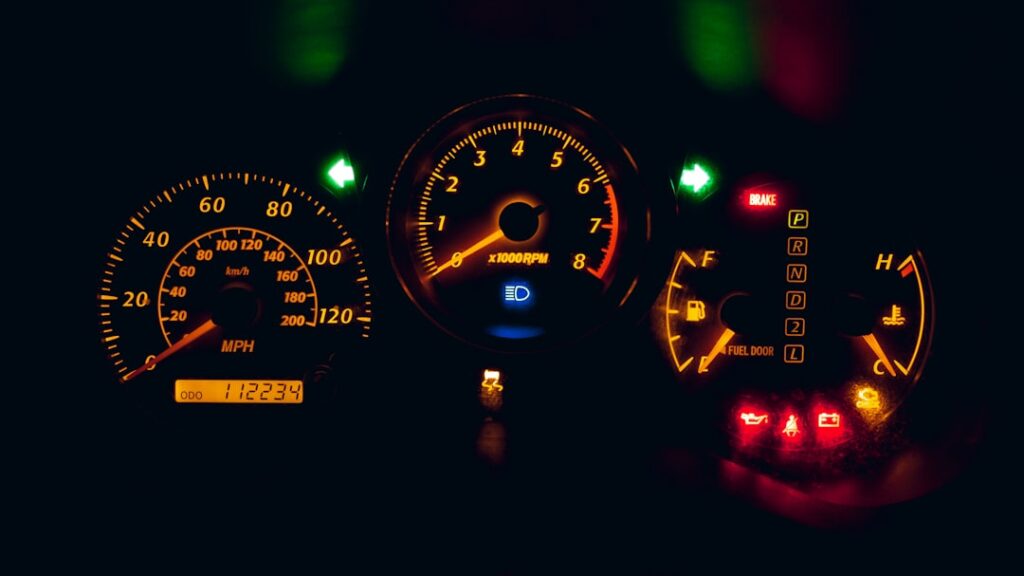
A failing engine oil pressure sensor can trigger a false warning light even when your oil pressure is perfectly normal — or worse, mask a genuine low-pressure problem behind a sensor that’s simply stopped reporting correctly. This guide covers the real symptoms of a bad engine oil pressure sensor, how to tell it apart from an actual oil problem, and what replacement costs.
What You’ll Find in This Guide
- 60-second symptom reference table
- What the sensor actually does
- How to tell a bad sensor from real low oil pressure
- Replacement cost guide
- Frequently asked questions
Engine Oil Pressure Sensor Symptoms at a Glance
| Symptom | Likely Cause | Urgency |
|---|---|---|
| Oil pressure light on, engine sounds and runs normally | Failed sensor or wiring, not actual low pressure | 🟡 Check oil level first, then sensor |
| Gauge pegged at zero or full, never moves | Sensor or wiring failure | 🟡 Sensor likely, confirm with mechanical gauge |
| Gauge reading fluctuates erratically at idle and speed | Failing sensor or corroded connector | 🟡 Common sensor symptom |
| Oil visibly leaking from sensor housing | Cracked sensor or worn seal | 🟠 Fix soon — active leak |
| Warning light + ticking or knocking sound | Likely real low oil pressure, not just the sensor | 🔴 Stop driving, check oil immediately |
| Warning light + oil level and color both normal | Sensor most likely at fault | 🟡 Have sensor tested before replacing anything else |
What the Oil Pressure Sensor Actually Does
The sensor (also called an oil pressure switch or sending unit) monitors pressure in the engine’s oil galleries and reports it to your dashboard — either as a warning light or a live gauge reading, depending on your vehicle. On most modern vehicles it also feeds this data to the engine control module, which can factor it into other performance calculations. When the sensor itself fails, rather than the oil pressure it’s measuring, the dashboard shows an incorrect reading instead of no reading at all — which is exactly why a bad sensor can look identical to a real emergency until you know what to check.
How to Tell a Bad Sensor From Real Low Oil Pressure
First, check the oil level and color on the dipstick — if it’s full and looks normal, that rules out the most dangerous explanation immediately. Listen for a ticking or knocking sound, which indicates the engine genuinely isn’t getting enough lubrication; a sensor problem alone doesn’t cause engine noise. If the oil level is fine and the engine sounds normal, the most reliable confirmation is a mechanical oil pressure gauge installed temporarily in place of the sensor — if that reads normal pressure while the dashboard still shows a fault, the sensor itself is confirmed bad.
Common Causes of Sensor Failure
Constant heat and vibration near the engine block gradually degrade the sensor’s internal electronics over time. Engine sludge or debris can block the sensor’s port, causing inaccurate readings even though the sensor itself still functions. Corroded or damaged wiring at the connector is also a frequent cause — sometimes cheaper and easier to fix than the sensor itself.
Replacement Cost Guide
| Item | Cost |
|---|---|
| Sensor part only | $10–100 (most common range $30–65) |
| Labor (easy access) | $50–100 (30–60 minutes) |
| Labor (hard to reach, behind other components) | $100–300 (1–2 hours) |
| Total typical cost | $50–350 |
Frequently Asked Questions
Can I drive with a bad oil pressure sensor?
Only after confirming your actual oil level and pressure are fine — a sensor problem alone isn’t dangerous, but you can’t safely assume that’s the cause without checking. If there’s any knocking sound or the oil level is low, treat it as a real emergency instead.
Why does my oil pressure gauge read zero even with plenty of oil?
A gauge stuck at zero despite a full, normal-looking dipstick almost always points to a failed sensor or a wiring fault between the sensor and the gauge, rather than an actual oil supply problem.
Is an oil pressure sensor the same as an oil level sensor?
No — the oil pressure sensor measures how much force the oil pump is generating in the system, while a separate oil level sensor (not present on all vehicles) measures how much oil is in the pan. A car can have normal oil level and still show a pressure fault, or vice versa.
Will a bad oil pressure sensor cause a check engine light?
On vehicles where the sensor feeds data to the engine control module, yes — a failed or erratic sensor reading can trigger a stored fault code even when the actual oil pressure is fine.
Related Guides
Before assuming the sensor is at fault, confirm your oil level and color using our how to check engine oil guide. If you’re also hearing unusual sounds, our engine knocking diagnostic guide helps confirm whether it’s a lubrication issue rather than just the sensor. If a mechanical pressure test rules out the sensor, our engine oil pump symptoms guide covers the next step.
Muhammad Ahmad is an automotive enthusiast and the founder of AutoUpdateZone. With years of hands-on experience diagnosing and maintaining vehicles, he has developed a deep understanding of engine systems, electrical diagnostics, brake systems, and preventative maintenance.