Why Is My Car Engine Overheating? Causes and Solutions
A car engine is designed to operate within a specific temperature range. However, when the temperature rises above the normal level, the engine may overheat. This is a common car problem that can happen while driving, idling in traffic, or travelling long distances. If the problem is ignored, it can lead to expensive repairs and serious engine damage.
Understanding why your car engine is overheating can help you identify the warning signs, take the right steps, and prevent future problems. In this article, we will explore the common causes of engine overheating and practical solutions to keep your vehicle running smoothly.
1. Low Coolant Level
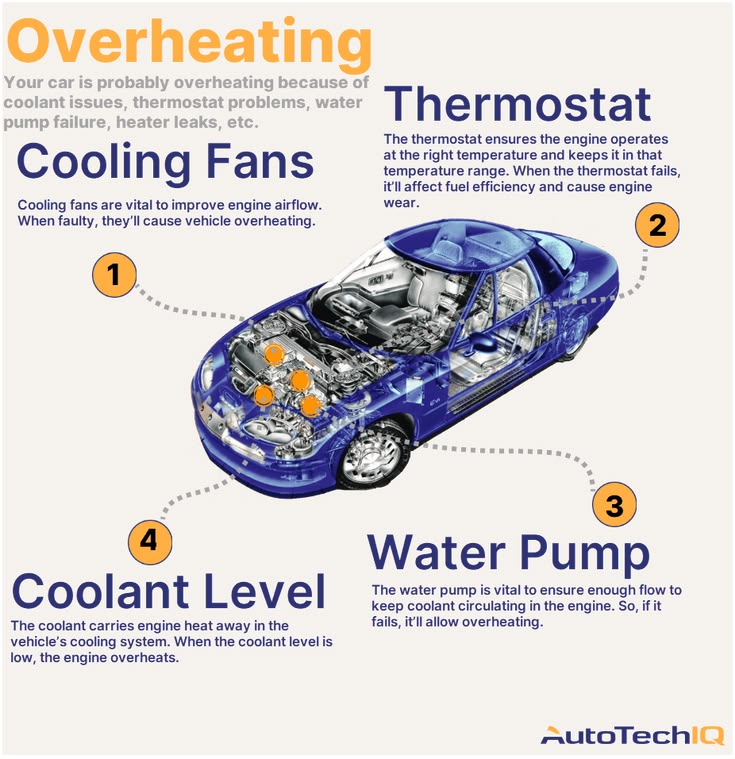
Low coolant is one of the most common causes of engine overheating. Coolant, also known as antifreeze, absorbs heat from the engine and transfers it to the radiator, where the heat is released.
When the coolant level becomes too low, the cooling system cannot remove enough heat, causing the engine temperature to rise.
Low coolant may result from a leaking radiator, damaged hoses, a faulty water pump, or a leaking head gasket.
Solution: Allow the engine to cool completely before checking the coolant reservoir. If the level is low, refill it with the coolant recommended by your vehicle manufacturer. If the coolant keeps disappearing, have a mechanic inspect the system for leaks.
Never open the radiator cap while the engine is hot because pressurized coolant can cause serious burns.
2. Faulty Radiator
The radiator plays an important role in keeping the engine cool. It allows heat from the coolant to escape into the surrounding air. When the radiator becomes clogged, damaged, or blocked by dirt, it may not release heat efficiently.
Internal deposits, corrosion, damaged cooling fins, and external blockages can all affect radiator performance.
Common symptoms include a rising temperature gauge, coolant leaks, and overheating during long journeys.
Solution: Have the radiator inspected for blockages, leaks, and damage. Depending on its condition, it may require professional cleaning, flushing, repair, or replacement.
Regular cooling-system maintenance can help prevent radiator problems and improve engine performance.
3. Broken Radiator Fan
The radiator fan helps move air through the radiator, especially when the car is stationary or moving slowly. If the fan stops working, the cooling system may struggle to control the engine temperature.
A faulty fan motor, blown fuse, damaged wiring, or defective relay can prevent the fan from operating correctly.
One common warning sign is a car that overheats in traffic but cools down when driving at higher speeds.
Solution: Ask a mechanic to inspect the radiator fan, fuse, relay, wiring, and temperature-control system. Replace any faulty components to restore proper cooling.
4. Faulty Thermostat
The thermostat regulates the flow of coolant between the engine and radiator. It opens when the engine reaches the appropriate temperature, allowing coolant to circulate through the radiator.
If the thermostat becomes stuck in the closed position, coolant flow may be restricted, causing the engine to overheat.
Possible symptoms include a rapidly rising temperature gauge and overheating shortly after starting the vehicle.
Solution: Have the thermostat tested and replaced if necessary. Avoid removing it permanently, as the engine needs the correct thermostat to maintain its intended operating temperature.
5. Water Pump Failure
The water pump circulates coolant throughout the engine and cooling system. If it fails, coolant may not circulate properly, allowing heat to build up inside the engine.
Water pump problems can result from worn bearings, damaged internal components, leaking seals, or a faulty drive belt.
Signs of a failing water pump may include coolant leaking near the pump, unusual grinding noises, and repeated overheating.
Solution: Have the water pump and its drive system inspected by a qualified mechanic. Replace damaged components promptly to prevent further engine problems.
6. Coolant Leaks
A coolant leak can cause the engine to overheat because the cooling system gradually loses the fluid needed to regulate temperature.
Leaks may occur in radiator hoses, clamps, the radiator, the water pump, or other cooling-system components.
You may notice coloured fluid beneath your parked car, a low coolant level, or a warning light on the dashboard.
Solution: Identify and repair the source of the leak. Depending on the problem, the repair may involve replacing a damaged hose, tightening a connection, or repairing a faulty component.
Repeatedly adding coolant without fixing the leak is not a reliable long-term solution.
7. Blown Head Gasket
The head gasket seals the connection between the engine block and cylinder head. It prevents coolant, engine oil, and combustion gases from mixing.
When the head gasket fails, coolant may leak into the cylinders or combustion gases may enter the cooling system. This can cause persistent overheating and potentially severe engine damage.
Warning signs may include unexplained coolant loss, persistent white exhaust smoke after the engine is warm, bubbles in the coolant reservoir, or milky-looking engine oil.
Solution: A mechanic can perform diagnostic tests to confirm whether the head gasket is damaged. If it has failed, proper repair is necessary. Continuing to drive an overheating vehicle can make the damage much worse.
8. Low Engine Oil
Engine oil lubricates moving parts and helps reduce friction. It also carries some heat away from internal engine components.
When the oil level becomes too low, friction can increase, contributing to excessive heat and possible engine damage.
Solution: Park safely, allow the engine to cool, and check the oil level according to the owner’s manual. Add the correct oil if necessary. If the oil pressure warning light appears or the engine makes unusual noises, switch off the engine and seek professional assistance.
What to Do When Your Car Engine Overheats
If your car engine starts overheating, taking the right steps can help prevent further damage.
First, pull over to a safe location as soon as possible. Switch off the engine and keep clear of any escaping steam. Allow the engine to cool completely before checking the coolant level.
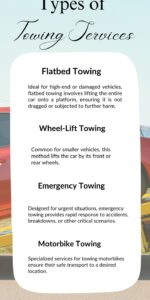
Never remove a hot radiator cap or pour cold water directly onto a hot engine. If coolant is leaking, steam is escaping, or the temperature rises again, arrange roadside assistance or towing rather than continuing to drive.
If you cannot identify the cause, have a mechanic inspect the cooling system before using the vehicle again.
How to Prevent Engine Overheating
Preventive maintenance is one of the best ways to avoid engine overheating. Check your coolant level regularly, inspect hoses for cracks, maintain the radiator, and follow the manufacturer’s servicing schedule.
You should also monitor your dashboard temperature gauge and respond promptly to warning lights. Replace worn belts and faulty components before they cause more serious problems.
During long journeys, pay attention to unusual temperature changes, especially when driving in heavy traffic, carrying heavy loads, or travelling in hot weather.
Conclusion
A car engine may overheat because of low coolant, a faulty radiator, a broken cooling fan, a defective thermostat, water pump failure, coolant leaks, a blown head gasket, or low engine oil.
The best way to solve the problem is to identify its cause and repair it before further damage occurs. Regular maintenance and early attention to warning signs can help you avoid expensive repairs and keep your vehicle reliable.
If your engine is overheating, do not ignore the warning. Stop safely, allow it to cool, and seek professional help when necessary. Taking action early can protect your engine and extend the life of your car.