Why Won’t My Car Start? Common Causes and Fixes

A car that refuses to start can be frustrating, especially when you need to get to work, attend an important appointment, or travel a long distance. Sometimes, the engine may not make any sound when you turn the key, while in other cases, you may hear clicking noises or notice that the engine cranks but does not start.
Understanding why your car won’t start can help you identify the problem and determine whether you can fix it yourself or need professional assistance.
In this article, we will explore the common reasons a car won’t start and explain practical solutions to help you get back on the road.
1. Dead or Weak Car Battery
A dead or weak battery is one of the most common reasons a car won’t start. The battery supplies the electrical power needed to start the engine and operate essential electrical components.
If the battery is discharged, the starter motor may not receive enough power to turn the engine.
Common signs of a weak battery include:
- Clicking sounds when turning the ignition key.
- Dim headlights or dashboard lights.
- No response when pressing the start button.
- Electrical accessories that work poorly or not at all.
Fix: Check the battery terminals for loose connections or corrosion. If the battery is discharged, it may need charging or jump-starting according to the vehicle manufacturer’s instructions. If it cannot hold a charge, replacement may be necessary.
If the battery repeatedly goes flat, have the charging system and possible electrical drains inspected.
2. Faulty Starter Motor
The starter motor turns the engine until combustion begins. If the starter motor fails, the engine may not crank even when the battery is fully charged.
You may hear a single click when turning the key, or the engine may remain completely silent.
Possible causes include worn starter components, damaged wiring, a faulty starter solenoid, or poor electrical connections.
Fix: Check that the battery connections are secure and that the battery is sufficiently charged. If the problem continues, a mechanic should test the starter motor and its electrical circuit. A faulty starter may need repair or replacement.
Avoid repeatedly attempting to start the vehicle, as this can further drain the battery.
3. Empty Fuel Tank
Sometimes, the simplest explanation is that the car has run out of fuel. A faulty fuel gauge can also make the tank appear to contain more fuel than it actually does.
When there is insufficient fuel, the engine may crank without starting.
Fix: Check the fuel gauge and add the correct fuel if the tank is empty. If the gauge appears inaccurate or the engine still will not start after refuelling, have the fuel delivery system inspected.
Always use the fuel type recommended for your vehicle.
4. Faulty Fuel Pump
The fuel pump delivers fuel from the tank to the engine. If it fails, the engine may not receive the fuel needed for combustion.
A faulty fuel pump can cause difficult starting, sudden engine stalling, or an engine that cranks without starting.
Other possible causes include a clogged fuel filter, damaged fuel lines, or electrical problems affecting the pump.
Fix: A mechanic can check fuel pressure, pump operation, and the related electrical circuit. Replace the faulty component if necessary.
If you suspect a fuel leak, avoid starting the vehicle and keep away from flames or sparks.
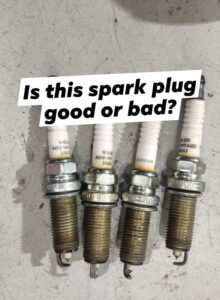
5. Bad Spark Plugs
Spark plugs ignite the air-fuel mixture in petrol engines. When they become worn, dirty, or damaged, the engine may struggle to start or fail to run smoothly.
Common symptoms include prolonged cranking, rough idling, reduced fuel efficiency, and engine misfires.
Fix: Have the spark plugs inspected and replaced according to the manufacturer’s maintenance schedule. If new spark plugs do not resolve the issue, the ignition coils and other ignition components may need testing.
Diesel engines use a different ignition process, so spark plugs are not the cause of starting problems in the same way.
6. Faulty Alternator
The alternator charges the battery while the engine runs and supplies electrical power to the vehicle’s systems.
If the alternator fails, the battery may gradually lose its charge. Eventually, there may not be enough power to start the engine.
Warning signs can include a battery warning light, dimming headlights, electrical malfunctions, or repeated battery failures.
Fix: Have the battery and charging system tested. If the alternator is faulty, it may need repair or replacement. Simply installing a new battery will not solve the problem if the alternator cannot charge it properly.
7. Damaged Ignition Switch
The ignition switch helps supply electrical power to the vehicle’s starting and operating systems. If it becomes faulty, turning the key or pressing the start button may not activate the starter system correctly.
Possible symptoms include dashboard lights failing to respond, intermittent starting problems, or electrical accessories switching off unexpectedly.
Fix: Have the ignition switch, starter circuit, and related wiring inspected. A qualified technician can determine whether the switch or another electrical component needs replacement.
8. Engine Immobiliser or Key Problems
Modern vehicles often use an immobiliser system to prevent unauthorised starting. If the car does not recognise the key, it may prevent the engine from starting.
A weak key-fob battery, damaged key, faulty immobiliser, or electronic communication problem may be responsible.
Fix: Check for a security warning light on the dashboard. If your vehicle has a spare key, try using it. For push-button-start vehicles, follow the owner’s manual instructions for starting when the key-fob battery is weak.
If the immobiliser continues to prevent starting, contact a qualified automotive electrician or dealership.
9. Clogged Air Filter
The engine needs an appropriate mixture of air and fuel to run correctly. A severely clogged air filter can restrict airflow and affect engine performance, although it is less commonly the sole reason a car will not start.
Other airflow problems, including a faulty sensor or a damaged intake system, may also cause starting difficulties.
Fix: Inspect the air filter and replace it if it is excessively dirty or blocked. If the engine still fails to start, have the intake system and engine sensors checked.
10. Faulty Engine Sensors
Modern cars rely on sensors to help the engine control unit manage fuel delivery and ignition timing. A faulty crankshaft position sensor, for example, may prevent the engine control unit from detecting engine rotation correctly.
Other sensor faults can cause hard starting, stalling, or poor engine performance.
Fix: A mechanic can use a diagnostic scanner to check for fault codes and test the relevant sensors. The faulty component should be confirmed before replacement rather than changing parts unnecessarily.
What to Do When Your Car Won’t Start
If your car refuses to start, follow these simple steps:
- Check the dashboard: Look for warning lights and observe whether the dashboard powers on.
- Listen carefully: Clicking, silence, or normal cranking can provide clues about the problem.
- Check the fuel level: Make sure the tank contains enough fuel.
- Inspect the battery connections: Look for loose terminals or corrosion without touching exposed electrical components unnecessarily.
- Try a spare key: This can help identify a key or immobiliser issue.
- Seek professional help: If the cause is unclear, arrange a proper inspection rather than replacing parts at random.
If you smell fuel, see smoke, or notice damaged electrical wiring, stop your attempts to start the car and seek professional assistance.
Conclusion
A car may fail to start for several reasons, including a weak battery, faulty starter motor, empty fuel tank, defective fuel pump, worn spark plugs, alternator problems, or an immobiliser issue.
The best way to resolve the problem is to identify the underlying cause before carrying out repairs. Regular maintenance, battery checks, and timely replacement of worn components can help reduce unexpected breakdowns.
If your car won’t start, begin with simple checks such as the battery, fuel level, and dashboard warning lights. If the problem continues, consult a qualified mechanic to diagnose the fault and restore your vehicle to proper working condition.