Why Is My Car Battery Warning Light On?
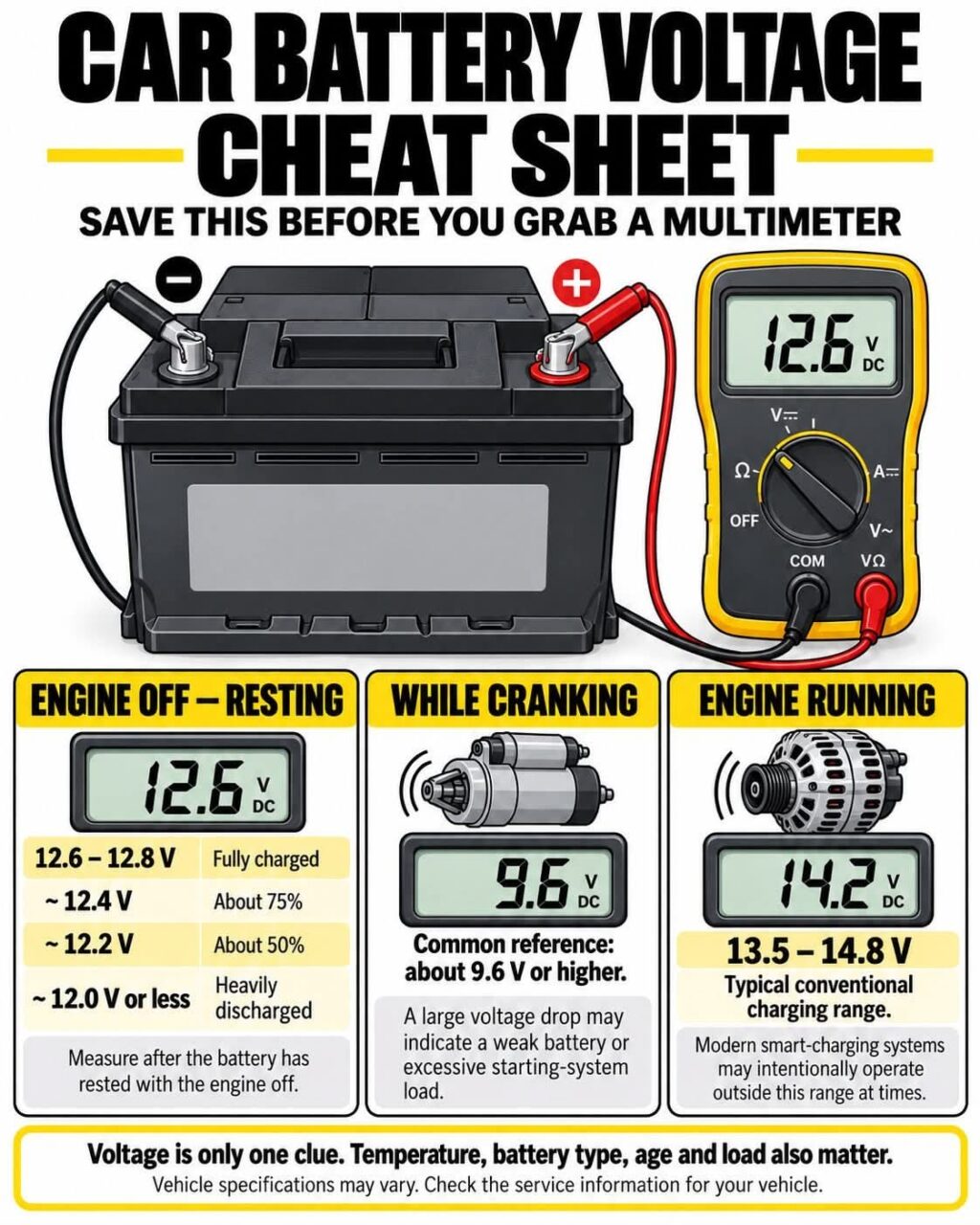
Seeing the battery warning light appear on your car’s dashboard can be concerning, especially when you are driving and are unsure what it means. The warning light usually looks like a small battery symbol and may illuminate in red. Although many drivers assume it means the battery is faulty, the problem can involve several parts of the vehicle’s electrical charging system.
Your car depends on electrical power to operate essential components, including the engine control system, lights, dashboard, and other electronic equipment. When the charging system fails to supply enough power, your vehicle may eventually lose electrical power or stop running.
Understanding why the car battery warning light comes on can help you identify potential problems, avoid unexpected breakdowns, and determine when to seek professional assistance.
1. What Does the Car Battery Warning Light Mean?
The battery warning light indicates a possible problem with your vehicle’s charging system. This system includes the battery, alternator, drive belt, wiring, and related electrical components.
When you start your car, the battery provides the initial electrical power needed to start the engine. Once the engine is running, the alternator generates electricity to power the vehicle’s electrical systems and recharge the battery.
If the alternator stops charging correctly or another part of the system develops a fault, the battery warning light may illuminate.
In most vehicles, the light briefly comes on when you switch on the ignition before starting the engine. This is a normal dashboard self-check. However, if it stays on after the engine starts or comes on while driving, you should investigate the problem.
2. Common Reasons Your Car Battery Warning Light Is On
Several problems can cause the battery warning light to appear. Here are the most common ones.
A Faulty Alternator
The alternator is responsible for generating electricity while the engine is running. It supplies power to electrical components and keeps the battery charged.
If the alternator becomes worn or develops an internal fault, it may not produce enough electricity. As a result, the battery warning light may illuminate.
Other symptoms of a failing alternator include dim headlights, flickering dashboard lights, electrical accessories behaving unusually, and difficulty starting the vehicle after it has been switched off.
What to do: Have the alternator and charging system tested by a qualified mechanic. If the alternator is faulty, it may need repair or replacement.
A Loose or Damaged Alternator Belt
The alternator is commonly driven by a belt connected to the engine. If this belt becomes loose, worn, damaged, or breaks, the alternator may not rotate correctly and generate sufficient electricity.
Some vehicles may also produce a squealing noise when the belt slips.
Depending on your vehicle’s design, the same belt may drive other important components, including the water pump. A broken belt can therefore cause additional problems, such as engine overheating.
What to do: If you suspect a broken belt, stop driving when safe and arrange an inspection. Do not attempt to touch or adjust a belt while the engine is running.
A Weak or Damaged Battery
Although the warning light usually relates to the charging system, a failing battery can also contribute to electrical problems.
Car batteries gradually lose their ability to store energy as they age. Extreme temperatures, repeated deep discharging, corrosion, and long periods without driving can also shorten battery life.
A weak battery may cause slow engine cranking, clicking sounds when starting, or electrical accessories to behave inconsistently.
What to do: Have the battery tested to determine whether it can still hold a charge. If it has reached the end of its useful life, replacement may be necessary. However, the alternator should also be checked to make sure it is charging correctly.
Corroded or Loose Battery Terminals
Battery terminals connect the battery to the vehicle’s electrical system. Over time, corrosion can develop around the terminals, creating a poor electrical connection.
Loose or corroded connections may cause starting difficulties, intermittent electrical problems, or charging system warnings.
What to do: Inspect the battery terminals for visible corrosion or loose connections when the vehicle is switched off. If cleaning or tightening is needed, follow the manufacturer’s safety instructions or ask a mechanic to do it. Avoid allowing metal tools to bridge the battery terminals.
Faulty Wiring or Electrical Connections
The charging system relies on wires, connectors, fuses, and electrical grounds to transfer power correctly. Damaged wiring, loose connectors, corroded grounds, or a blown charging-system fuse can interfere with charging.
In some cases, the alternator and battery may be working properly, but electricity cannot flow as intended because of a connection problem.
What to do: A mechanic can inspect the wiring, connections, fuses, and grounding points and test the system to identify the fault.
A Faulty Voltage Regulator
The voltage regulator controls the electrical output of the alternator to help maintain an appropriate charging voltage.
If the regulator fails, the charging system may produce too little or too much voltage. Insufficient charging can leave the battery depleted, while excessive voltage can damage the battery and sensitive electronic components.
What to do: Have the charging voltage checked using appropriate diagnostic equipment. Depending on the vehicle’s design, the regulator may be integrated into the alternator or serviced separately.
3. Can You Drive With the Battery Warning Light On?
Driving with the battery warning light on can be risky because your vehicle may be running on the battery’s remaining stored energy instead of receiving enough power from the alternator.
As the battery discharges, electrical systems may stop working properly. Eventually, the engine may stall, and you may be unable to restart the vehicle.
If the warning light comes on while driving, switch off non-essential electrical accessories, such as the radio and unnecessary interior lights, if it is safe to do so. Do not switch off essential equipment needed for safe driving.
Look for a safe place to pull over and arrange assistance if the light remains on. If you notice smoke, a burning smell, a broken belt, or engine overheating, stop as soon as it is safe and switch off the engine.
Avoid long journeys until the problem has been diagnosed and repaired.
4. How to Check Your Car’s Charging System
You can perform a few basic observations before visiting a mechanic.
Step 1: Observe the warning light. Check whether it appears only when the ignition is on or remains illuminated after the engine starts.
Step 2: Look for other symptoms. Dim headlights, slow starting, flickering dashboard lights, or unusual belt noises can help identify a charging problem.
Step 3: Inspect the battery visually. With the engine off, look for obvious corrosion, loose connections, or a damaged battery case. Do not touch leaking battery fluid.
Step 4: Check for visible belt damage. Only inspect accessible areas with the engine switched off. Keep hands, clothing, and tools away from moving engine components.
Step 5: Get the system tested. A mechanic can test the battery, alternator output, charging voltage, wiring, and connections to determine the actual cause.
Never disconnect the battery while the engine is running to test the alternator. This outdated method can cause voltage spikes and damage vehicle electronics.
5. How Much Does It Cost to Fix a Battery Warning Light?
The cost depends on the cause of the problem, the vehicle model, and the availability of replacement parts.
Cleaning or securing a loose battery connection may be inexpensive. Replacing a worn belt, repairing damaged wiring, or installing a new battery will usually cost more. Alternator replacement can be more expensive because of the part’s price and the labour required.
Before approving repairs, ask your mechanic to test the charging system and explain the fault. Replacing the battery alone may not solve the problem if the alternator or wiring is defective.
6. How to Prevent Battery Warning Light Problems
Regular maintenance can help keep your vehicle’s charging system in good condition.
- Have the battery and alternator tested during routine servicing.
- Keep battery terminals clean and securely connected.
- Replace worn or damaged drive belts according to the manufacturer’s recommendations.
- Avoid leaving electrical accessories running when the engine is off for extended periods.
- Investigate slow starting and dim headlights promptly.
- Replace an ageing battery when testing shows that it can no longer perform reliably.
- Repair charging system problems as soon as they are identified.
These simple habits can reduce the risk of unexpected electrical failures and improve your vehicle’s reliability.
Conclusion
If your car battery warning light is on, it usually means that your vehicle’s charging system needs attention. Common causes include a faulty alternator, a damaged drive belt, a weak battery, corroded terminals, wiring problems, or a defective voltage regulator.
Do not assume that the battery itself is always the problem. Have the entire charging system inspected to identify the underlying fault and prevent unnecessary repairs.
By responding quickly to the warning light and keeping up with routine maintenance, you can reduce the risk of a sudden breakdown and help your car remain dependable on the road.