What Does the Check Engine Light Mean?
Seeing the check engine light appear on your car’s dashboard can be worrying, especially when you do not know what caused it. Sometimes, the light indicates a minor issue, such as a loose fuel cap. In other situations, it can warn you about a serious engine problem that needs immediate attention.
The check engine light is part of your vehicle’s onboard diagnostic system. It monitors different engine and emissions-related components and alerts you when the system detects a fault. Understanding what this warning means can help you respond correctly, avoid unnecessary repairs, and keep your vehicle running safely.
In this guide, we explain what the check engine light means, the common causes, what to do when it comes on, and when you should visit a mechanic.
1. What Is the Check Engine Light?
The check engine light is a warning indicator on your car’s dashboard. It is usually shaped like an engine and may appear in yellow, amber, or orange, depending on the vehicle.
Modern cars use sensors and an onboard computer, commonly called the engine control unit (ECU), to monitor engine performance and emissions systems. When the computer detects a problem outside its expected operating range, it may store a diagnostic trouble code and illuminate the check engine light.
The warning does not always mean that the engine itself is damaged. It can also indicate an issue with the fuel system, ignition system, exhaust emissions equipment, or certain sensors.
A mechanic can use an OBD-II diagnostic scanner on most modern vehicles to retrieve stored fault codes and help identify the source of the problem.
2. Common Reasons the Check Engine Light Comes On
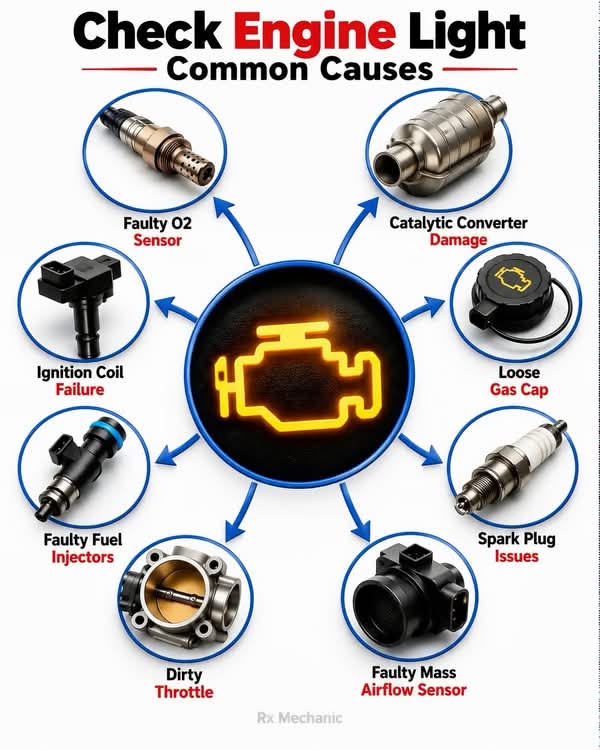
Several issues can trigger the check engine light. The following are some of the most common causes.
A Loose or Damaged Fuel Cap
A loose, damaged, or missing fuel cap can allow fuel vapour to escape from the fuel system. Many vehicles monitor this system to reduce harmful emissions.
If the fuel cap is not tightened properly after refuelling, the check engine light may appear.
What to do: Park safely and check whether the fuel cap is properly secured. If it is damaged, replace it with a suitable cap. The light may take several driving cycles to turn off after the issue is corrected.
Faulty Oxygen Sensor
The oxygen sensor measures the amount of oxygen in the exhaust gases. The engine computer uses this information to help adjust the air-fuel mixture and control emissions.
A faulty sensor can contribute to poor fuel economy, increased emissions, and engine performance problems.
What to do: Have the vehicle scanned to determine whether the sensor is faulty or whether another problem is affecting its readings.
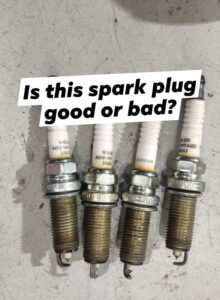
Worn or Faulty Spark Plugs
Spark plugs ignite the air-fuel mixture inside petrol engines. When spark plugs become worn or fail, the engine may misfire, idle roughly, or struggle to accelerate.
Misfires can trigger the check engine light and, if severe, may damage the catalytic converter.
What to do: Have the ignition system inspected and replace spark plugs according to the manufacturer’s maintenance schedule.
Faulty Mass Airflow Sensor
The mass airflow sensor measures how much air enters the engine. This helps the engine computer calculate the correct amount of fuel to deliver.
If the sensor becomes dirty or develops a fault, the engine may run inefficiently, hesitate during acceleration, or use more fuel than usual.
What to do: Ask a qualified mechanic to inspect the sensor and related intake components before replacing parts unnecessarily.
Catalytic Converter Problems
The catalytic converter helps reduce harmful pollutants in exhaust gases. If it becomes damaged or stops working efficiently, the check engine light may appear.
Other symptoms can include reduced engine power, unusual exhaust smells, and poor fuel economy.
What to do: Have the cause diagnosed promptly. Ignition misfires and other engine problems can damage the catalytic converter, so replacing the converter without fixing the underlying fault may not solve the issue.
Vacuum Leaks
The engine uses a network of hoses and seals to control airflow and other functions. A cracked hose, loose connection, or damaged seal can allow unwanted air into the engine.
This can cause rough idling, poor performance, or an incorrect air-fuel mixture.
What to do: Have the intake hoses and vacuum system checked for leaks or damage.
3. What Does a Flashing Check Engine Light Mean?
A flashing check engine light is generally more urgent than a steady warning light. It often indicates an active engine misfire that could damage the catalytic converter if you continue driving.
You may also notice shaking, loss of power, or unusual engine sounds.
If the light flashes while driving, reduce engine load and safely pull over as soon as possible. Switch off the engine if the vehicle is running roughly or showing other signs of a serious problem. Arrange professional assistance rather than continuing to drive.
Do not ignore a flashing warning in the hope that it will disappear.
4. Can You Drive With the Check Engine Light On?
Whether you can continue driving depends on how the light behaves and how the vehicle performs.
A steady check engine light with no noticeable change in performance may indicate a problem that is not immediately critical. However, you should arrange a diagnostic check as soon as practical.
Stop driving when it is safe to do so if the check engine light flashes, the engine shakes severely, the vehicle loses significant power, or you notice smoke, a strong burning smell, or unusual mechanical noises.
If the engine temperature warning appears or the engine begins overheating, stop safely and switch off the engine. Never open a hot radiator cap.
Remember that a steady light does not guarantee that the vehicle is safe to drive indefinitely. The safest response depends on the symptoms and the manufacturer’s guidance.
5. How to Diagnose the Check Engine Light
The most reliable way to identify the cause is to retrieve the diagnostic trouble codes stored in the vehicle’s computer.
Here are the basic steps involved:
- Check the dashboard: Note whether the light is steady or flashing and look for other warning indicators.
- Observe the vehicle: Pay attention to rough idling, unusual noises, smoke, overheating, or reduced power.
- Check simple issues: Make sure the fuel cap is secure and look for obvious fluid leaks or damaged hoses.
- Use an OBD-II scanner: A compatible scanner can read diagnostic codes on most modern vehicles.
- Confirm the underlying fault: A code points toward a system or possible problem, but it does not automatically prove that a particular part has failed.
For example, an oxygen sensor-related code may result from a faulty sensor, wiring damage, or an engine problem affecting the exhaust readings. Proper testing helps prevent unnecessary replacement of parts.
6. How Much Does It Cost to Fix a Check Engine Light?
The repair cost depends on what triggered the warning, your vehicle’s make and model, and the availability of replacement parts.
A loose fuel cap may cost little or nothing to correct. Replacing worn spark plugs or repairing a damaged hose may be relatively affordable. More complicated faults involving sensors, wiring, fuel delivery, or a catalytic converter can be significantly more expensive.
Before approving a repair, ask the mechanic to explain the diagnostic findings, the recommended work, and the expected cost. Avoid replacing multiple parts based only on a fault code without confirming the cause.
7. How to Prevent Check Engine Problems
Although not every fault can be prevented, regular maintenance can reduce the likelihood of many problems.
- Change engine oil and filters according to the manufacturer’s schedule.
- Replace spark plugs and other service items when recommended.
- Use the correct fuel and fluids for your vehicle.
- Inspect accessible hoses and electrical connections for damage.
- Fix engine misfires, overheating, and unusual performance changes promptly.
- Keep the fuel cap properly secured after refuelling.
- Follow your vehicle’s maintenance schedule and investigate warning lights early.
Regular servicing can help detect small issues before they develop into more expensive repairs.
Conclusion
The check engine light is an important warning that should never be ignored. It can indicate anything from a loose fuel cap to a faulty sensor, an engine misfire, or a problem with the emissions system.
Pay attention to whether the light is steady or flashing, observe how your vehicle behaves, and arrange a diagnostic check to identify the real cause. If the light flashes or the car shows signs of serious trouble, stop driving when safe and seek professional assistance.
By responding promptly and maintaining your vehicle properly, you can reduce the risk of further damage, improve reliability, and keep repair costs under control.