How to Recognize Early Signs of Transmission Failure
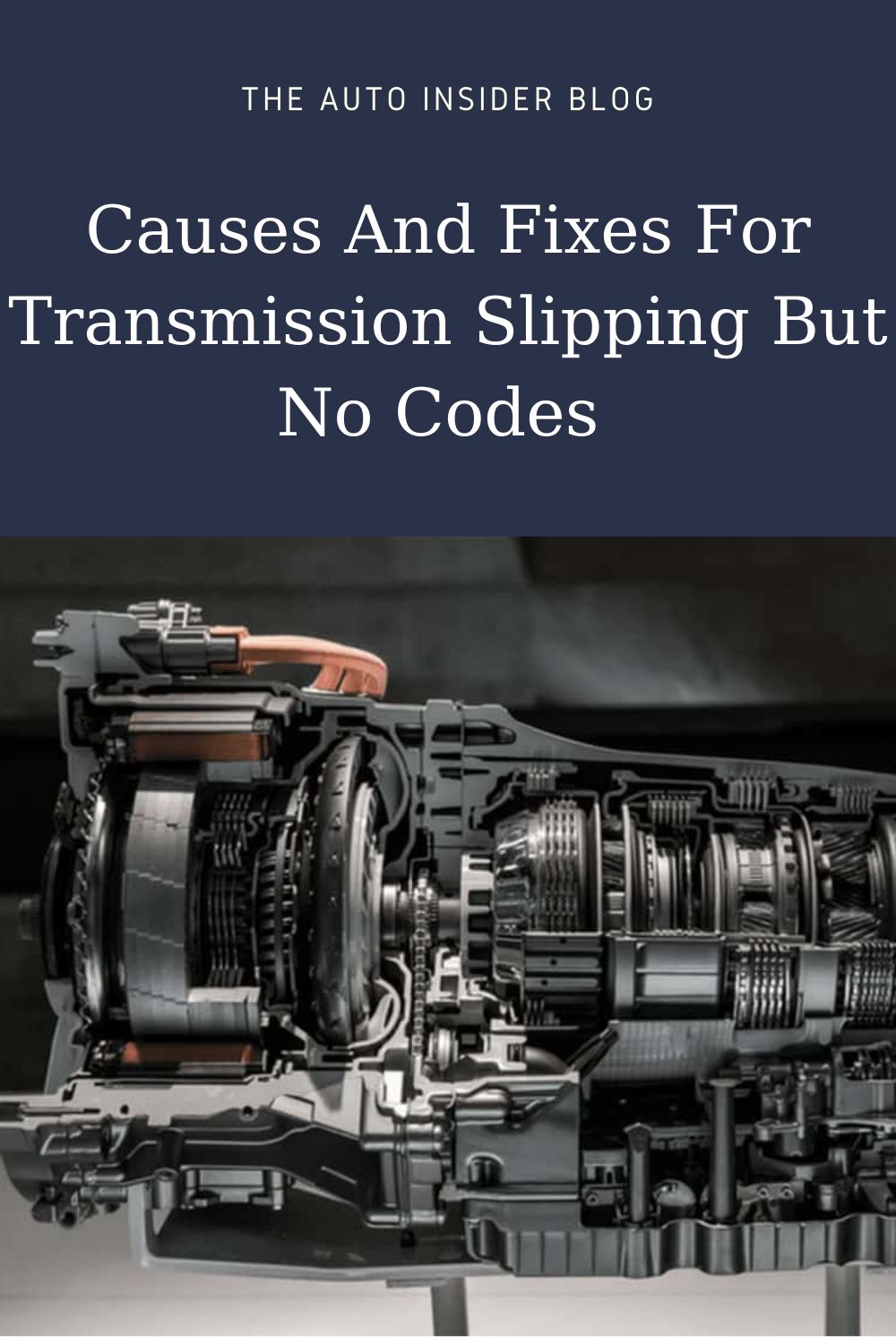
Your car’s transmission plays a vital role in transferring power from the engine to the wheels. It allows your vehicle to change gears smoothly, accelerate properly, and maintain the right balance between speed and engine performance. When the transmission begins to develop problems, your car may show warning signs before a complete failure occurs.
Recognizing these symptoms early can help you avoid expensive repairs, improve driving safety, and extend the life of your vehicle. Unfortunately, many drivers ignore small changes in how their cars shift gears until the problem becomes serious.
In this guide, we will explain the early signs of transmission failure, what causes transmission problems, and when you should take your car to a mechanic.
1. Delayed Gear Engagement
One of the earliest signs of transmission trouble is delayed gear engagement. This happens when you move the gear selector from Park to Drive or Reverse, but the car takes several seconds to respond.
You may notice that the engine is running normally, yet the vehicle does not move immediately after selecting a gear. In some cases, the car may suddenly jerk forward or backward when the gear finally engages.
Delayed engagement can result from low transmission fluid, worn internal components, hydraulic pressure problems, or faults within the transmission control system.
What to do: Check your owner’s manual for the recommended transmission fluid inspection procedure. If the delay continues, have the transmission inspected. Avoid repeatedly revving the engine to force the vehicle to move, as this may worsen the problem.
2. Slipping Gears While Driving
Transmission slipping occurs when the transmission fails to maintain the selected gear or unexpectedly changes gears. You may notice that the engine speed increases, but the vehicle does not accelerate as expected.
For example, you may press the accelerator, hear the engine rev loudly, and experience little increase in speed. The transmission may also shift unexpectedly or struggle to remain in gear.
Possible causes include low or degraded transmission fluid, worn clutch components, internal transmission damage, or electronic control problems.
Slipping gears can make driving dangerous, especially when merging into traffic, overtaking, or climbing a hill.
What to do: Arrange a professional inspection as soon as possible. If the vehicle repeatedly loses drive or cannot accelerate reliably, stop driving when safe and arrange recovery rather than continuing your journey.
3. Unusual Noises Coming From the Transmission
Unusual noises can indicate that something is wrong with your vehicle’s transmission or related drivetrain components.
Depending on the type of transmission and the underlying fault, you might hear whining, humming, grinding, clunking, or rattling sounds.
For example, a whining noise that changes with vehicle speed may indicate a transmission or drivetrain problem. Grinding during gear changes may suggest worn components or a clutch-related issue in a manual vehicle. However, similar sounds can also come from wheel bearings, engine components, or other mechanical parts.
What to do: Pay attention to when the noise occurs, such as during acceleration, gear changes, or when selecting Reverse. Share these details with your mechanic. Do not ignore new or increasingly loud noises.
4. Rough or Jerky Gear Changes
A healthy transmission should generally change gears smoothly under normal driving conditions. If your car suddenly jerks, shudders, or shifts harshly, the transmission may need attention.
You might experience a noticeable jolt when changing from one gear to another or feel the vehicle shake during acceleration.
Possible causes include low transmission fluid, worn internal components, faulty sensors, damaged engine or transmission mounts, or problems with the transmission control system.
In automatic vehicles, rough shifting can also result from software or electronic control issues. In manual vehicles, a worn clutch or problems with the clutch hydraulic system may make gear changes difficult.
What to do: Have the vehicle checked if the problem persists or becomes more severe. Avoid aggressive acceleration and heavy loads until the cause has been identified.
5. Transmission Fluid Leaks
Transmission fluid lubricates moving parts, helps control temperature, and supports proper operation. If the fluid level becomes too low, the transmission may overheat or experience shifting problems.
One warning sign is a puddle or stain beneath your parked vehicle. Transmission fluid may be red, pink, brown, or another colour depending on its type, age, and condition. Colour alone cannot reliably identify the fluid.
Leaks may develop around seals, gaskets, cooler lines, or other transmission components.
What to do: Look for fresh fluid beneath the vehicle without crawling underneath an unsupported car. If you suspect a leak, have it inspected promptly. Do not assume that topping up the fluid will solve the problem, because the leak itself must be addressed.
6. Burning Smell While Driving
A burning smell can indicate that the transmission is overheating or that fluid is deteriorating. Excessive friction, slipping components, low fluid levels, or heavy operating conditions may contribute to overheating.
However, a burning smell can also come from the engine, brakes, clutch, or electrical components, so it is important not to assume the transmission is responsible.
Transmission overheating can damage internal parts and increase repair costs if the problem continues.
What to do: If you notice a strong burning smell, especially alongside slipping gears, warning lights, or unusual noises, pull over safely and switch off the engine. Allow the vehicle to cool and arrange professional assistance if necessary. Do not open hot fluid-system caps or touch hot components.
7. Warning Lights on the Dashboard
Modern vehicles use electronic control systems to monitor transmission operation. When a fault is detected, the dashboard may display a check engine light, a transmission warning, or a message indicating that the vehicle needs servicing.
Some cars also enter a protective mode, sometimes called limp mode, which limits engine power or gear selection to reduce the risk of further damage.
A warning light does not automatically mean the transmission has failed. The cause could be a faulty sensor, wiring issue, low fluid level, overheating, or a mechanical problem.
What to do: Check your owner’s manual for the meaning of the warning. Have the vehicle scanned with suitable diagnostic equipment and ensure that the stored fault codes are properly interpreted before replacing parts.
8. Difficulty Changing Gears
Difficulty changing gears can be an early sign of transmission trouble, particularly in manual vehicles.
You may find it hard to move the gear lever, experience grinding when selecting a gear, or notice that the clutch pedal feels unusually soft or stiff.
Possible causes include a worn clutch, low clutch fluid in hydraulic systems, damaged linkage, or internal transmission wear.
Automatic vehicles can also experience difficulty selecting Drive or Reverse because of fluid, electronic, or mechanical problems.
What to do: Do not force the gear lever into position. Have the clutch, linkage, hydraulic system, and transmission inspected to identify the actual cause.
9. Poor Acceleration and Reduced Performance
If your car suddenly accelerates more slowly than usual, the transmission may not be transferring engine power efficiently.
You might notice that the engine revs normally but the vehicle struggles to gain speed, particularly when climbing hills or carrying passengers.
However, poor acceleration can also result from engine problems, blocked filters, fuel delivery issues, or faulty sensors.
What to do: Take note of whether the problem happens during specific gear changes or under certain driving conditions. A mechanic can test both the engine and transmission to determine the source.
10. What Causes Transmission Failure?
Transmission failure can develop for several reasons, including:
- Low or incorrect transmission fluid.
- Overheating caused by excessive load or cooling problems.
- Worn clutch plates, gears, bearings, or other internal components.
- Leaking seals and damaged transmission lines.
- Faulty sensors, wiring, or control modules.
- Poor maintenance or incorrect servicing procedures.
- Continued driving despite warning signs.
Following the manufacturer’s maintenance schedule, using the correct fluid, and addressing leaks promptly can help reduce the risk of major transmission problems.
Conclusion
Recognizing the early signs of transmission failure can save you money and help keep your vehicle safe and reliable. Delayed gear engagement, slipping gears, unusual noises, rough shifting, fluid leaks, burning smells, warning lights, and poor acceleration are all symptoms that deserve attention.
Although these signs can point to transmission trouble, they may also be caused by other vehicle components. Proper diagnosis is essential before deciding which parts need repair or replacement.
If your car begins behaving differently, do not wait for the transmission to fail completely. Arrange an inspection, follow your vehicle manufacturer’s maintenance recommendations, and address problems early to help avoid costly repairs.