How to Know When Your Car Brake Pads Need Replacing
Your car’s braking system is one of the most important safety features of your vehicle. It helps you slow down, stop safely, and maintain control in different driving conditions. However, brake pads gradually wear out with regular use and eventually need replacement. Ignoring worn brake pads can reduce braking performance, damage other brake components, and increase the risk of an accident.
Knowing the warning signs of worn brake pads can help you identify problems early, save money on repairs, and keep your vehicle safe on the road. Whether you drive daily to work, travel long distances, or occasionally use your car, regular brake inspections are essential.
In this article, we will explain the common signs that your car brake pads need replacing, how long brake pads typically last, and when you should seek professional assistance.
1. Squeaking or Squealing Noises When Braking
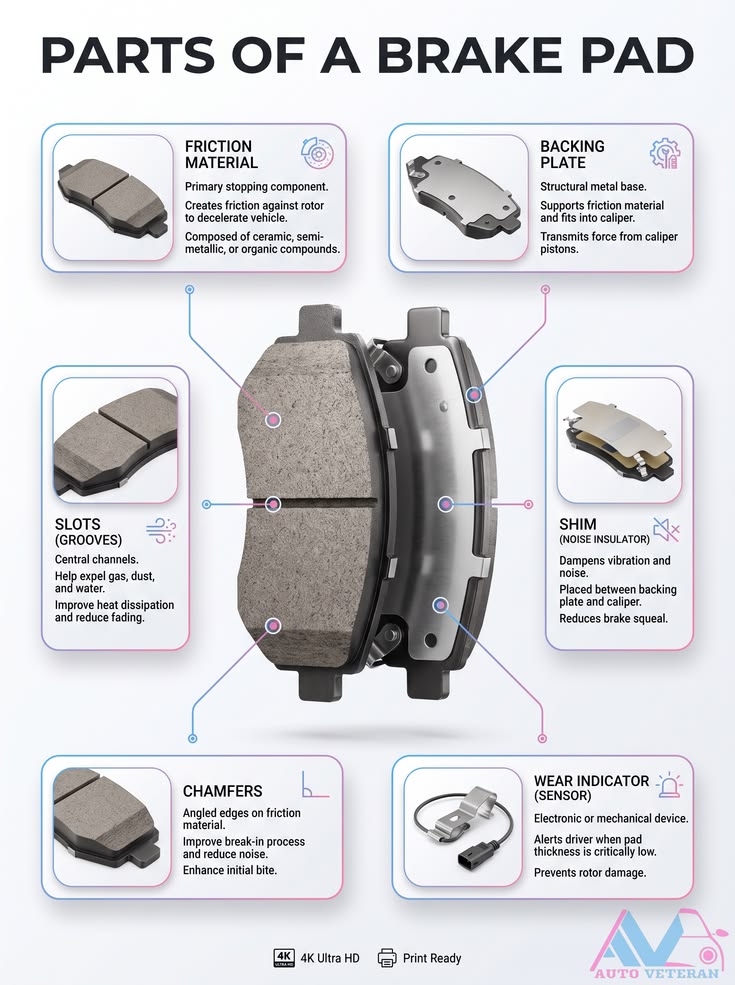
One of the earliest signs of worn brake pads is a high-pitched squeaking or squealing sound when you press the brake pedal. Many brake pads have a small metal wear indicator designed to produce this sound when the pads become thin.
This noise serves as a warning that your brake pads may be approaching the end of their useful life.
However, squealing does not always mean the pads need replacement. Moisture, dust, rust, or certain brake pad materials can also cause noise, especially when you first start driving.
If the sound continues regularly, becomes louder, or occurs every time you brake, have your braking system inspected by a qualified mechanic.
2. Grinding Sounds When Applying the Brakes
A grinding noise is a more serious warning sign that should never be ignored. It may indicate that the brake pads have worn down completely, allowing the metal backing plates to contact the brake rotors.
When this happens, the metal-to-metal contact can damage the rotors and other braking components. What might have been a relatively simple brake pad replacement could become a more expensive repair.
Grinding can also result from debris trapped between brake components or other mechanical problems.
If you hear persistent grinding when braking, stop driving as soon as it is safe to do so and arrange for the vehicle to be inspected. If braking performance is reduced or the vehicle feels unsafe, have it towed rather than driving it to a repair shop.
3. Reduced Braking Performance
Another important sign of worn or damaged brake pads is a noticeable change in your car’s ability to slow down.
You may notice that your vehicle takes longer to stop than usual or that the brakes do not feel as effective as they once did.
Although worn brake pads can contribute to reduced braking performance, other issues may also be responsible, including overheated brakes, contaminated pads, damaged rotors, or problems with the hydraulic braking system.
Do not wait for the problem to become worse. Reduced braking performance can make it difficult to stop quickly in an emergency.
Have your vehicle checked promptly, particularly if the change occurs suddenly or is accompanied by other warning signs.
4. The Brake Warning Light Comes On
Modern vehicles often have dashboard warning lights that alert drivers to potential braking system problems.
Depending on your vehicle, a brake warning light may indicate low brake fluid, an engaged parking brake, or a fault in the braking system. Some vehicles also have a separate brake pad wear warning light.
If a brake pad warning light appears, consult your owner’s manual and arrange an inspection.
A red brake warning light should be treated seriously, especially if it remains illuminated after releasing the parking brake. If it appears alongside a soft brake pedal or reduced stopping power, pull over safely and seek professional assistance.
Remember that not every vehicle has a sensor that directly monitors brake pad thickness. The absence of a warning light does not guarantee that your brake pads are in good condition.
5. Brake Pads Look Thin
You can sometimes identify worn brake pads through a visual inspection.
On many vehicles, the brake pads are visible through the openings in the wheel rims. The friction material is the part that presses against the brake rotor to slow the vehicle.
If the friction material looks very thin, the pads may need replacement. A commonly used guideline is to replace pads when approximately 3 millimeters of friction material remains, although the manufacturer’s specifications and inspection findings should determine the exact service limit.
If you cannot clearly see the pads or are unsure how to assess their thickness, ask a mechanic to inspect them.
Do not rely on appearance alone. Brake pads can wear unevenly, meaning one pad may be significantly thinner than another.
6. The Car Pulls to One Side When Braking
If your vehicle pulls to the left or right when you apply the brakes, it could indicate a problem with the braking system.
Possible causes include uneven brake pad wear, a sticking brake caliper, contaminated brake pads, or differences in braking force between the wheels.
However, tyre pressure problems, wheel alignment issues, and suspension faults can also cause a vehicle to pull to one side.
Because uneven braking can affect vehicle control, arrange for a professional inspection as soon as possible. Avoid assuming that replacing the brake pads alone will solve the problem.
7. The Brake Pedal Feels Different
Pay attention to how the brake pedal feels whenever you drive.
If the pedal feels unusually soft, spongy, or sinks toward the floor, there may be a problem with the hydraulic braking system. Possible causes include air in the brake lines, a fluid leak, or a failing master cylinder.
A vibrating or pulsating pedal may indicate warped or unevenly worn brake rotors, although other faults are possible.
Worn brake pads do not always cause a soft pedal, so these symptoms should not automatically be attributed to pad wear.
If the brake pedal suddenly changes, becomes difficult to press, or feels less responsive, stop driving when safe and have the braking system checked.
8. Burning Smell After Braking
A strong burning smell after braking can indicate overheated brakes.
This may happen when driving down a steep hill, braking repeatedly in heavy traffic, or using the brakes continuously for an extended period. A sticking brake caliper can also cause one brake to remain engaged, creating excessive heat.
If you notice smoke, an intense burning smell, or unusual heat around a wheel, stop in a safe location and allow the vehicle to cool. Do not touch the wheels or brake components, as they may be extremely hot.
If smoke is present or you suspect a brake fire, move away from the vehicle and call emergency services.
Have the braking system inspected before continuing your journey if overheating is suspected.
9. Your Brake Pads Have Reached Their Expected Service Life
Brake pads do not last forever. Their lifespan depends on driving habits, road conditions, vehicle weight, brake pad material, and the type of driving you do.
As a general guide, many brake pads last approximately 30,000 to 70,000 kilometres, although some wear out sooner and others last considerably longer.
Frequent stop-and-go driving, carrying heavy loads, and driving in hilly areas can accelerate brake pad wear. Smooth driving and appropriate braking habits may help extend their lifespan.
Rather than waiting for a particular mileage, follow your vehicle manufacturer’s maintenance recommendations and have the pads inspected regularly.
10. How to Extend the Life of Your Brake Pads
Although brake pads eventually require replacement, good driving habits can help them last longer.
Here are some practical tips:
- Avoid sudden braking: Anticipate traffic lights, junctions, and slowing vehicles so you can brake smoothly.
- Maintain a safe following distance: This gives you more time to slow down gradually instead of braking sharply.
- Avoid unnecessary weight: Carrying excessive loads can increase the demands placed on your braking system.
- Use lower gears on steep descents: Appropriate engine braking can reduce continuous pressure on the brakes. Do not switch off the engine while driving.
- Inspect your brakes regularly: Routine inspections help identify uneven wear, damaged components, and other problems early.
- Use suitable replacement parts: Choose brake pads that meet your vehicle manufacturer’s specifications and have them installed correctly.
These habits can improve brake performance and help reduce unnecessary wear.
When Should You Replace Your Brake Pads?
You should replace your brake pads when they reach the manufacturer’s minimum thickness, when an appropriate wear indicator signals replacement, or when a professional inspection identifies unsafe wear or damage.
In many cases, brake pads on the same axle are replaced as a set to maintain balanced braking performance. The mechanic should also inspect the rotors, calipers, brake fluid, and related components to determine whether additional repairs are needed.
Never delay replacement simply because the vehicle still appears to stop normally. Brake pads can become dangerously thin before the driver notices a major change in performance.
Conclusion
Knowing how to recognize worn brake pads is essential for maintaining your vehicle’s safety and reliability. Common warning signs include squealing or grinding noises, reduced braking performance, thin friction material, dashboard warnings, uneven braking, and unusual brake pedal behaviour.
Although some symptoms may result from problems other than worn brake pads, they should always be taken seriously.
Make brake inspections part of your regular car maintenance routine, follow the manufacturer’s recommendations, and replace worn components promptly. If your brakes grind, your vehicle struggles to stop, or the pedal suddenly feels abnormal, avoid driving until the problem has been assessed.
Taking care of your brakes today can help prevent expensive repairs tomorrow while giving you greater confidence every time you get behind the wheel.