How to Maintain Your Car Battery for Longer Life
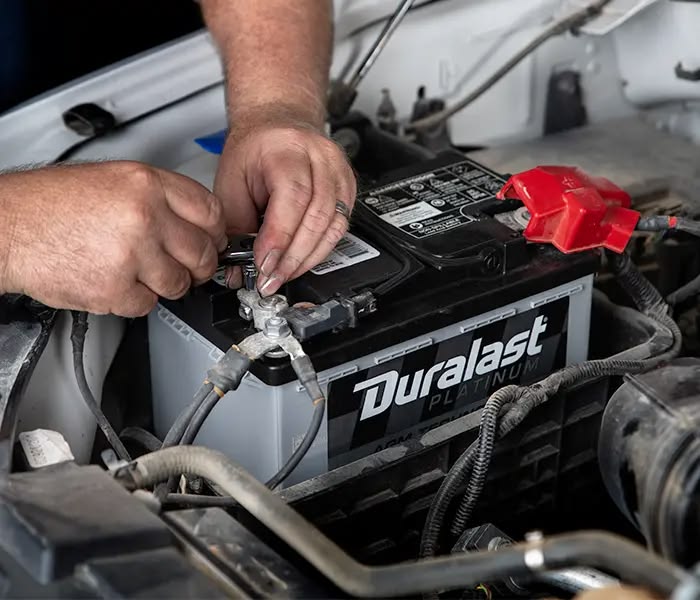
Your car battery plays an important role in keeping your vehicle running smoothly. It provides the electrical power needed to start the engine and supports essential systems such as lights, dashboard displays, and electronic accessories. However, without proper maintenance, a car battery can lose its ability to hold a charge and leave you stranded when you least expect it.
The good news is that simple maintenance habits can help extend your battery’s lifespan, reduce unexpected breakdowns, and save money on replacement costs.
In this article, we will explain how to maintain your car battery for longer life, identify common battery problems, and share practical tips to keep your vehicle’s electrical system in good condition.
1. Keep Your Battery Terminals Clean
One of the easiest ways to maintain your car battery is to keep its terminals clean. Battery terminals connect the battery to the vehicle’s electrical system, allowing electricity to flow between the battery and other components.
Over time, corrosion can develop around the terminals. It may appear as a white, blue, or greenish powdery substance. Corrosion and loose connections can interfere with electrical flow and make starting your car more difficult.
How to maintain the terminals:
- Inspect the battery terminals regularly for corrosion.
- Check for loose or damaged connections.
- Have corrosion cleaned using an appropriate battery-cleaning method.
- Ensure the terminals are securely connected after cleaning.
Always switch off the vehicle before inspecting the battery. Avoid allowing metal tools to connect the positive and negative terminals. If you are unsure how to clean the battery safely, ask a qualified mechanic for assistance.
2. Check Your Battery Regularly
Regular battery inspections can help you identify problems before the battery fails completely. You do not need to be a professional mechanic to notice some common warning signs.
Look for cracks in the battery casing, damaged cables, corrosion, loose connections, or signs of leakage. You should also pay attention to how quickly the engine starts.
If the engine cranks slowly, the headlights become unusually dim, or the battery repeatedly loses charge, the battery or charging system may need attention.
Maintenance tip: Have your battery tested periodically, especially before long journeys or when it is several years old. A professional battery test can measure its condition and ability to deliver starting power.
3. Avoid Leaving Electrical Accessories On
Leaving headlights, interior lights, the radio, or other electrical accessories running while the engine is switched off can drain the battery.
Although some modern vehicles automatically switch off certain lights, not every vehicle has this feature. Accessories connected directly to the battery may also continue consuming power when the car is parked.
If the battery becomes deeply discharged repeatedly, its lifespan may be shortened.
How to prevent battery drain:
- Switch off headlights before leaving the car.
- Ensure interior lights are turned off.
- Disconnect unnecessary accessories when appropriate.
- Check that the boot and glove-box lights switch off correctly.
- Avoid leaving the ignition switched on for long periods without running the engine.
These simple habits can help preserve battery power and reduce the risk of starting problems.
4. Drive Your Car Regularly
A car battery gradually loses charge even when the vehicle is not being used. If your car remains parked for weeks without appropriate battery maintenance, the battery may become discharged.
Starting the engine also consumes electrical energy, which the alternator must replace while the engine runs.
Frequent short journeys may not provide enough time for the charging system to replace the energy used during starting, particularly when electrical accessories are heavily used.
Solution: If you use your car infrequently, consider using a compatible automatic battery maintainer when the vehicle is parked for extended periods. Follow the manufacturer’s instructions and ensure the equipment is suitable for your battery type.
Do not assume that simply idling the engine for a few minutes will fully recharge a discharged battery. If the battery is repeatedly losing charge, have the battery and charging system tested.
5. Check the Alternator and Charging System
The alternator is responsible for supplying electrical power while the engine is running and replenishing the battery’s charge.
If the alternator is not working correctly, the battery may gradually lose power even if it is relatively new.
Common signs of a charging-system problem include a battery warning light, dim headlights, electrical malfunctions, or repeated difficulty starting the vehicle.
A faulty voltage regulator, damaged wiring, or a loose alternator belt can also affect charging performance.
Solution: Have a mechanic inspect the alternator, battery, cables, and charging system if you notice these symptoms. Repairing a charging fault early can help prevent repeated battery discharge and unnecessary battery replacement.
6. Protect Your Battery From Excessive Heat
Temperature can significantly affect car battery performance and lifespan. Excessive heat can accelerate internal chemical deterioration and water loss in some battery designs. Cold temperatures can reduce the amount of starting power available from a battery.
In hot climates, battery deterioration may occur more quickly, particularly when the battery is already ageing or the charging system is not operating correctly.
How to protect your battery:
- Park in a shaded or covered location when practical.
- Ensure the battery is securely mounted.
- Keep the engine compartment properly maintained.
- Follow the manufacturer’s battery inspection schedule.
- Replace a battery that fails a proper condition test.
Avoid placing insulating materials over the battery unless the vehicle manufacturer specifically recommends them, as inappropriate covers may interfere with ventilation or heat management.
7. Secure the Battery Properly
A car battery should be held firmly in place by its designated mounting bracket. If the battery is loose, movement and vibration can damage its casing, terminals, or internal components.
Excessive vibration may shorten battery life and create unreliable electrical connections.
Solution: Check that the battery is properly secured and that the mounting hardware is in good condition. If the battery moves when the vehicle travels over bumps, have the mounting system inspected.
Do not overtighten the bracket, as excessive pressure can damage the battery casing.
8. Check the Battery Fluid Level When Applicable
Some conventional lead-acid batteries have removable caps that allow the electrolyte level to be inspected. If the level becomes too low, battery performance and lifespan may suffer.
However, many modern car batteries are sealed or maintenance-free and should not be opened.
Solution: Consult your owner’s manual to determine whether your battery requires fluid-level checks. If it is a serviceable battery, follow the manufacturer’s instructions and use only the specified fluid, typically distilled water when topping up is permitted.
Battery electrolyte contains corrosive acid, so wear appropriate protective equipment and avoid contact with the fluid. If the battery is leaking, cracked, or badly damaged, do not attempt to service it yourself.
9. Choose the Correct Replacement Battery
Even with excellent maintenance, every car battery eventually wears out. When replacement becomes necessary, choosing the correct battery is essential.
A battery with the wrong specifications may not provide sufficient starting power or may be unsuitable for the vehicle’s charging system.
Before purchasing a replacement, check the recommended battery size, capacity, cold-cranking performance, terminal arrangement, and battery technology. Vehicles with start-stop systems may require a specific type, such as an AGM or EFB battery.
Solution: Consult your owner’s manual or a trusted battery supplier. Ensure the replacement meets the manufacturer’s requirements and is installed correctly.
10. Watch for Signs of a Failing Battery
Knowing the warning signs of battery failure can help you avoid being stranded.
Common symptoms include:
- Slow engine cranking.
- Clicking sounds when starting the car.
- Dim headlights or dashboard lights.
- A battery warning light.
- Frequent jump-starting.
- A swollen battery casing or visible leakage.
These symptoms can also indicate alternator, starter motor, or electrical problems. Therefore, it is important to test the entire system before replacing the battery.
Most conventional car batteries last around three to five years, but actual lifespan depends on battery type, climate, driving habits, and maintenance.
Conclusion
Maintaining your car battery for longer life does not require complicated procedures. Keeping the terminals clean, checking the battery regularly, switching off electrical accessories, maintaining the charging system, and protecting the battery from excessive heat can all help improve reliability.
It is also important to drive your vehicle appropriately, secure the battery properly, and choose the correct replacement when necessary.
Remember that regular maintenance cannot prevent every battery failure, but it can help identify problems early and reduce avoidable breakdowns. If your car battery repeatedly loses charge or struggles to start the engine, have it and the charging system tested by a qualified mechanic.
By following these practical tips, you can help your car battery last longer, reduce maintenance expenses, and enjoy more reliable starting performance.