How do you fix a car that overheats?
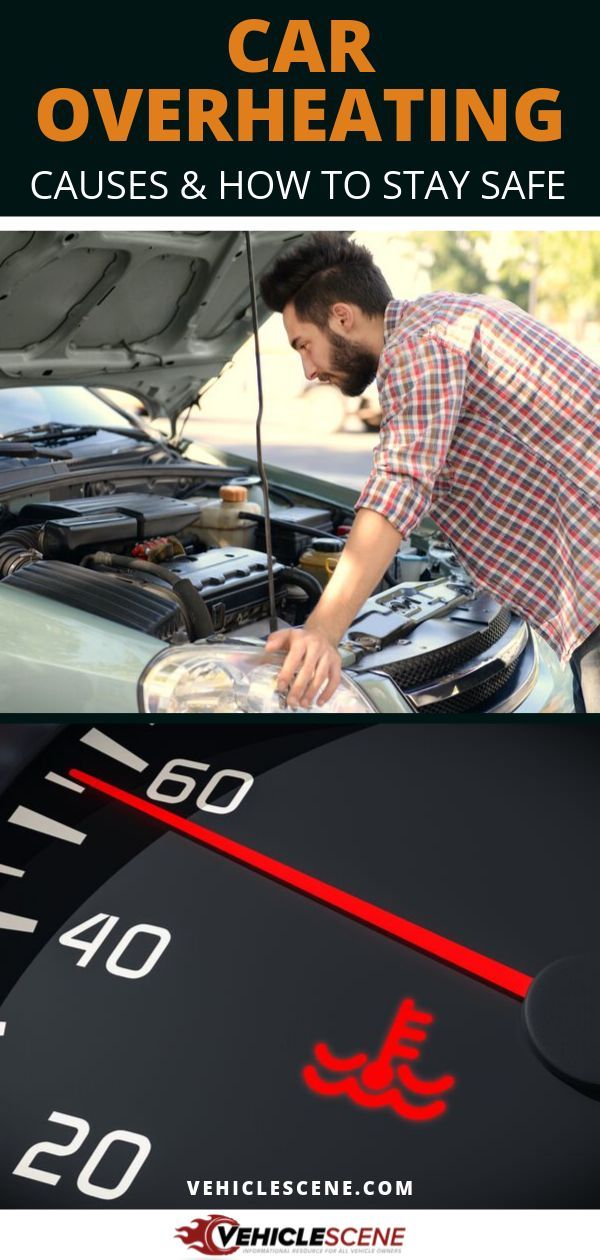
A car engine that overheats is a problem every driver should take seriously. If the temperature gauge rises above its normal range, steam comes from under the bonnet, or a temperature warning light appears on the dashboard, your vehicle may have a problem with its cooling system.
Engine overheating can happen for several reasons, including low coolant levels, radiator leaks, a faulty thermostat, a damaged water pump, a malfunctioning radiator fan, or a blocked cooling system. Sometimes, the problem is minor, but continued driving with an overheating engine can cause serious and expensive damage.
The good news is that understanding the warning signs and knowing what to do can help you protect your engine.
In this guide, AutoUpdateZone.com explains how to fix a car that overheats, the most common causes of overheating, how to troubleshoot the problem safely, and how to prevent it from happening again.
1. Pull Over and Turn Off the Engine
The first step when your car overheats is to protect yourself and prevent engine damage.
If the temperature gauge enters the red zone or a high-temperature warning appears, reduce engine load and find a safe place to pull over. Switch off the engine as soon as it is safe to do so.
If steam or coolant is coming from under the bonnet, stay clear of the area and allow the engine to cool.
Do not continue driving simply because the car still appears to run normally. An overheating engine can suffer damage even before obvious symptoms appear.
Important safety precautions:
- Never remove the radiator cap while the engine is hot.
- Never open a pressurized coolant reservoir while the system is hot.
- Keep your hands away from electric cooling fans, which may start unexpectedly.
- Do not pour cold water over a hot engine in an attempt to cool it rapidly.
- If you see significant steam, leaking coolant, or severe overheating, arrange roadside assistance.
Allow the engine to cool completely before inspecting coolant levels. Depending on the conditions, this may take 30 minutes or longer.
2. Check the Coolant Level
Low coolant is one of the most common causes of engine overheating.
Coolant, also called antifreeze, circulates through the engine and radiator to carry away excess heat. If the coolant level falls too low, the system may be unable to control engine temperature properly.
Signs of low coolant
- The temperature gauge rises above normal.
- A coolant warning light appears.
- The heater produces less heat than usual in some vehicles.
- You notice coolant leaking beneath the car.
- The coolant reservoir is below its minimum mark when the engine is cold.
How to fix it
Once the engine is completely cool, check the coolant level in the reservoir according to the owner’s manual.
If the level is low, add the correct coolant specified for your vehicle. Do not assume that all coolant types are interchangeable.
If the system is designed to be checked at the radiator, follow the manufacturer’s instructions and only open it when completely cool.
Adding coolant may temporarily restore the correct level, but it does not fix the underlying cause of coolant loss. If the level repeatedly drops, have the system inspected for leaks or other faults.
Never continue driving if the engine quickly overheats again after topping up the coolant.
3. Inspect the Radiator for Leaks or Blockages
The radiator transfers heat from the coolant to the surrounding air. If it leaks, becomes blocked, or cannot release heat efficiently, the engine may overheat.
Radiator problems can develop because of corrosion, damaged hoses, debris, internal deposits, or physical damage.
Common signs of radiator problems
- Coolant collects beneath the front of the vehicle.
- The engine overheats repeatedly.
- The radiator or cooling system has visible damage.
- Coolant levels keep falling.
- The radiator has restricted airflow because of dirt or debris.
How to fix it
When the engine is cool, inspect the radiator’s visible exterior and surrounding area for damage or signs of leakage.
Check whether leaves, insects, mud, or other debris are obstructing airflow through the radiator and air-conditioning condenser. Do not use excessive water pressure, as this can damage delicate fins.
A leaking radiator may need professional repair or replacement. Internal blockages may require specialized cleaning or replacement, depending on the condition of the radiator.
If a leak is suspected but cannot be located visually, a mechanic can perform a cooling-system pressure test.
4. Check Whether the Radiator Fan Is Working
The radiator fan helps move air through the radiator when natural airflow is insufficient, especially while the vehicle is stationary or moving slowly.
If the fan fails, the engine may overheat in traffic or while idling but remain closer to normal temperature at higher road speeds.
Symptoms of a faulty radiator fan
- The engine overheats while idling.
- The temperature rises in traffic.
- The temperature improves when driving faster.
- The fan does not operate when it should.
- The air conditioner may perform poorly in some conditions.
How to fix it
A cooling fan may fail because of a defective motor, fuse, relay, wiring problem, temperature sensor, or control module.
A mechanic can test the fan circuit and determine whether the fan receives the correct electrical supply and control signal.
Do not put your hands near the fan while inspecting the engine. Electric fans can start unexpectedly, even when the engine is not running.
Also, do not assume that a fan must run continuously. Its operation depends on the vehicle’s design, coolant temperature, air-conditioning demand, and other conditions.
5. Replace a Faulty Thermostat
The thermostat controls coolant circulation between the engine and radiator. It stays closed while the engine warms up and opens as the engine reaches its intended operating temperature.
If the thermostat becomes stuck closed, coolant circulation through the radiator may be restricted, causing the engine to overheat.
Signs of a faulty thermostat
- The engine temperature rises unusually quickly.
- The temperature gauge enters the red zone.
- The engine overheats despite having enough coolant.
- The temperature fluctuates abnormally.
- The cooling system behaves inconsistently.
A thermostat stuck open more commonly causes slow warm-up or an engine that runs cooler than intended, rather than overheating.
How to fix it
A mechanic can assess thermostat operation and inspect the cooling system for other possible causes.
If the thermostat is confirmed to be faulty, replacing it with the correct specification is usually the appropriate repair.
The cooling system must then be refilled with the specified coolant and properly bled of trapped air according to the manufacturer’s procedure.
6. Check the Water Pump
The water pump circulates coolant through the engine, radiator, and other parts of the cooling system.
If the pump fails or coolant circulation becomes inadequate, heat can build up quickly inside the engine.
Symptoms of a failing water pump
- The engine overheats repeatedly.
- Coolant leaks near the water pump.
- Unusual noises come from the pump area.
- The pump shaft or bearing has excessive play.
- Coolant circulation is inadequate.
Some water pump failures are difficult to detect visually. An impeller can also be damaged without producing an obvious external leak.
How to fix it
Have the water pump and its drive system inspected by a qualified mechanic.
Depending on the vehicle, the water pump may be driven by a belt or timing belt, or it may use another drive arrangement.
If the pump has failed, it may need replacement. On some engines, replacing the water pump is best combined with related belt maintenance if the components share the same service interval or access procedure.
Do not continue driving if you suspect the water pump has stopped circulating coolant.
7. Inspect the Cooling System Hoses
Cooling system hoses transport coolant between the engine, radiator, and other components.
Over time, hoses can become brittle, swollen, cracked, loose, or damaged by heat and pressure. A failed hose can allow coolant to escape rapidly and cause overheating.
Signs of damaged hoses
- Coolant leaks around hose connections.
- A hose appears cracked or swollen.
- Coolant levels fall repeatedly.
- Dried coolant residue appears near a connection.
- The engine overheats after a visible leak develops.
How to fix it
Inspect accessible hoses only when the engine is cool. Look for visible cracks, damage, or signs of leakage.
A damaged hose or faulty clamp should be replaced with the correct component. If a hose fails while driving, stop safely and arrange assistance rather than attempting to drive a long distance after refilling the system.
8. Check for a Faulty Radiator Cap
The radiator cap or pressurized coolant reservoir cap helps maintain the cooling system’s specified pressure.
Correct pressure raises the coolant’s boiling point. If the cap cannot maintain the required pressure, coolant may boil or escape earlier than expected.
Symptoms of a faulty cap
- Coolant escapes from the overflow area.
- Coolant levels drop without an obvious large leak.
- The engine overheats under certain conditions.
- The cap’s seal or locking mechanism appears damaged.
How to fix it
Have the cap tested and replaced if it fails to maintain the correct pressure.
Always use a cap with the manufacturer’s specified pressure rating. An incorrect cap can affect cooling system operation.
Never remove the cap while the engine is hot or the system is pressurized.
9. Investigate a Possible Blown Head Gasket
A blown head gasket is a more serious cause of overheating. The head gasket seals the joint between the engine block and cylinder head, helping keep combustion gases, coolant, and engine oil separated.
When the gasket fails, combustion gases may enter the cooling system, coolant may enter the cylinders, or oil and coolant may mix.
Warning signs of a possible head gasket problem
- Repeated overheating without an obvious external leak.
- Persistent white exhaust smoke after the engine has warmed up.
- Bubbles or excessive pressure in the coolant reservoir.
- Unexplained coolant loss.
- Milky contamination in the engine oil.
- Engine misfires or difficult starting.
Some symptoms can have other causes, so none of these signs alone confirms a blown head gasket.
How to fix it
A mechanic may perform a combustion-gas test, cooling-system pressure test, compression test, or cylinder leak-down test.
If the head gasket has failed, the repair may involve removing the cylinder head, inspecting the mating surfaces, and replacing the gasket. Additional engine damage may also need to be addressed.
This repair can be expensive, which is why stopping promptly when an engine overheats is so important.
10. What If Your Car Overheats Only in Traffic?
If your car overheats while idling or moving slowly but cools down when driving faster, the radiator fan or restricted airflow should be investigated first.
Other possibilities include a partially blocked radiator, low coolant, a faulty thermostat, or inadequate coolant circulation.
If the engine overheats at highway speeds as well, the cause may involve a broader cooling system problem.
These patterns provide useful clues but do not prove that a particular component has failed. Proper testing is still necessary.
11. How to Prevent Your Car From Overheating Again
Regular maintenance can help reduce the risk of overheating and protect your engine from damage.
Follow these preventive steps:
- Check the coolant level when the engine is cold.
- Use the coolant type specified by the vehicle manufacturer.
- Inspect hoses and connections for leaks or deterioration.
- Maintain the radiator and keep its external fins free from excessive debris.
- Have the cooling fan checked if the engine overheats in traffic.
- Follow the recommended cooling system service schedule.
- Investigate repeated coolant loss instead of repeatedly topping up the reservoir.
- Pay attention to temperature warnings and stop safely when overheating occurs.
If your vehicle has recently undergone cooling system repairs, make sure the system has been refilled and bled correctly. Trapped air can interfere with coolant circulation and cause overheating in some vehicles.
Frequently Asked Questions
Can I drive my car if it is overheating?
It is not advisable to continue driving with an overheating engine. Pull over safely and switch off the engine when appropriate. Continuing to drive can damage the head gasket, cylinder head, or other engine components.
How long should I wait before opening the bonnet?
If it is safe to do so, you may open the bonnet cautiously to allow heat to escape, but avoid reaching into the engine compartment. Wait until the engine and cooling system have cooled completely before inspecting coolant levels or touching components.
Never remove a radiator cap or pressurized coolant reservoir cap while hot.
Can low engine oil cause a car to overheat?
Low engine oil can contribute to increased friction and heat, and severe oil loss can damage the engine. However, overheating is commonly associated with cooling system faults. Check the oil level safely and investigate both systems if necessary.
Why does my car overheat even when the coolant is full?
Possible causes include a faulty thermostat, malfunctioning radiator fan, damaged water pump, restricted radiator, trapped air, faulty pressure cap, or head gasket failure. Having the cooling system tested is the best way to identify the cause.
Does turning on the car heater help when the engine overheats?
In some vehicles, switching the cabin heater to maximum heat may temporarily remove some heat from the engine coolant. However, this is not a repair and should never be used as a reason to continue driving an overheating car. If the temperature is in the red zone or a serious warning appears, stop safely and switch off the engine.
Conclusion
Fixing an overheating car starts with identifying why the engine temperature is rising. Low coolant, radiator problems, a failed fan, a faulty thermostat, water pump failure, damaged hoses, and a blown head gasket are among the possible causes.
Always prioritize safety by stopping when necessary and allowing the engine to cool before inspecting the cooling system. Never open a hot radiator cap, and do not keep driving if the engine overheats repeatedly.
While some issues can be resolved by correcting a low coolant level, repeated overheating requires proper diagnosis to prevent expensive engine damage.
For more practical automotive troubleshooting guides, repair advice, and vehicle maintenance tips, visit AutoUpdateZone.com to keep your car running safely and reliably.