Why does my car not start but has power?detail
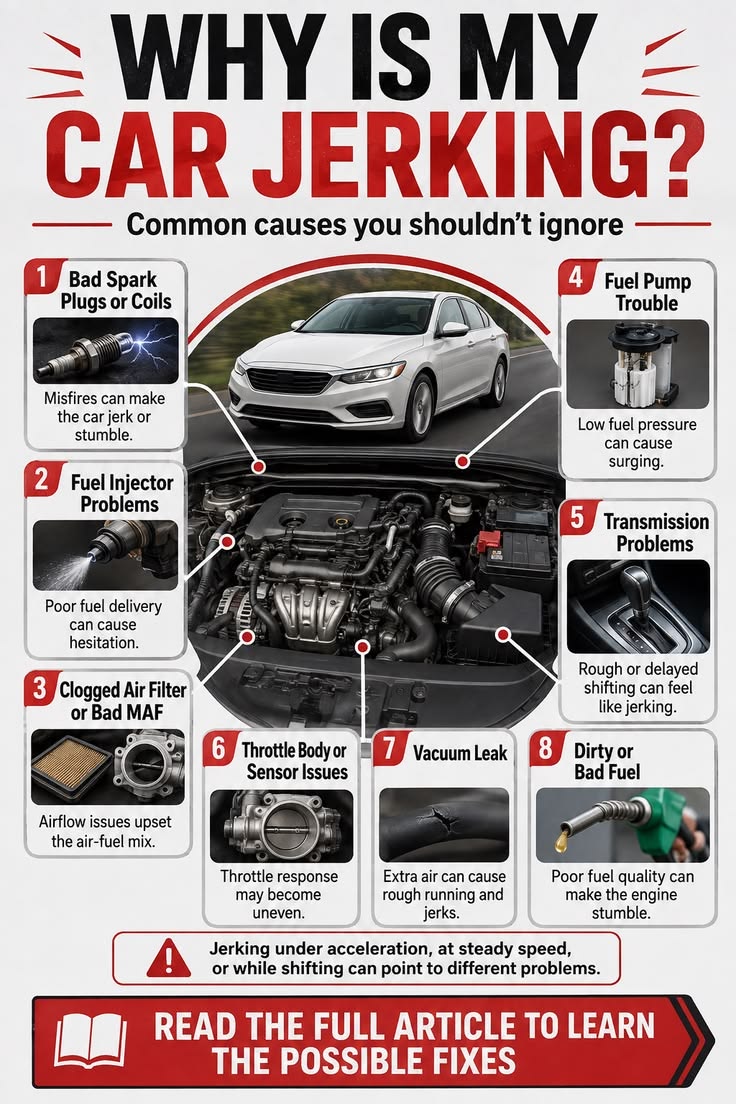
Have you ever entered your car, turned the ignition key, and noticed that the dashboard lights, headlights, radio, and other electrical accessories are working, but the engine refuses to start? This can be confusing, especially when you assume that having electrical power means your vehicle should start normally.
The truth is that a car can have electrical power and still fail to start. This happens because the electrical systems that operate the dashboard and accessories do not always require as much power as the starter motor needs to turn the engine.
Several problems can cause this situation, including a weak battery, a faulty starter motor, a damaged ignition switch, a fuel system failure, or an engine sensor problem.
In this guide, AutoUpdateZone.com explains why your car may not start despite having power, how to recognize the warning signs, and what you can do to identify the problem safely.
1. A Weak or Failing Car Battery
One of the most common reasons a car has power but will not start is a weak battery.
Your car battery supplies electricity to the dashboard, headlights, radio, and other electrical components. It also provides the high current needed by the starter motor when you attempt to start the engine.
A battery can have enough power to operate the lights but still be unable to supply enough current to turn the engine over.
Signs of a weak battery
- The dashboard lights work, but the engine does not crank.
- The headlights become dim when you try to start the car.
- You hear rapid clicking when turning the key.
- The engine cranks slowly or struggles to turn over.
- The electrical system resets when you attempt to start the vehicle.
A weak battery may result from age, repeated short trips, leaving the lights on, extreme temperatures, or a charging system problem.
How to fix it
Start by checking the battery for obvious damage or loose connections. If the battery is discharged, it may need charging or a jump-start, provided the manufacturer’s instructions permit it and the battery is safe to handle.
If the battery repeatedly loses power, have it tested along with the alternator and charging system. Replace the battery only if testing confirms that it is defective or can no longer hold a charge properly.
2. A Faulty Starter Motor
The starter motor is responsible for turning the engine when you turn the ignition key or press the start button.
If the starter motor fails, your dashboard lights and other electrical accessories may continue working normally, but the engine may not crank.
This is one of the main reasons a car can have power without starting.
Common symptoms of a bad starter
- You hear one click when attempting to start the car.
- The dashboard lights remain bright, but the engine does not turn over.
- The car starts intermittently.
- You hear grinding or unusual mechanical noises during starting.
- The battery appears healthy, but the starter does not operate.
However, these symptoms can also be caused by a weak battery, poor electrical connections, or a faulty starter relay.
How to fix it
Have the battery condition and electrical connections checked first. If those components are functioning correctly, a mechanic can test the starter motor, solenoid, wiring, and starting circuit.
If the starter motor has failed internally, it may need repair or replacement. Avoid repeatedly attempting to start the vehicle, especially if you hear grinding noises.
3. Loose or Corroded Battery Terminals
Sometimes, the battery is healthy, but electricity cannot flow properly because the battery terminals or cables have poor connections.
Battery terminals can become corroded over time. Loose connections, damaged cables, or a poor engine ground can interrupt the large electrical current required to operate the starter motor.
Warning signs
- Dashboard lights work, but the engine does not crank.
- You hear clicking when attempting to start the car.
- The electrical system behaves inconsistently.
- The vehicle starts occasionally but fails at other times.
- The battery appears charged but cannot power the starter reliably.
How to fix it
With the vehicle switched off, visually inspect the battery connections if it is safe to do so. Look for obvious corrosion, damaged insulation, or loose cables.
Do not touch damaged wiring or attempt to work around an unsafe battery. If cleaning, tightening, or repairing the connections is necessary, follow the vehicle manufacturer’s safety procedures or ask a qualified mechanic.
A professional can also perform a voltage-drop test to identify resistance in the battery cables and ground connections.
4. A Faulty Ignition Switch
The ignition switch helps control electrical power to the vehicle’s starting and operating systems.
When it fails, the dashboard lights and accessories may work while the starting circuit receives no power or operates inconsistently.
Symptoms of an ignition switch problem
- The dashboard lights come on, but nothing happens when you turn the key.
- The engine starts only occasionally.
- Electrical accessories switch off unexpectedly.
- Turning the key produces no response despite a charged battery.
- The vehicle behaves differently depending on the position of the key.
These symptoms are not exclusive to the ignition switch. A starter relay, damaged wiring, or an immobilizer problem can produce similar results.
How to fix it
A mechanic can test the ignition switch and related electrical circuits to confirm whether the switch is functioning correctly.
Avoid attempting to bypass the ignition system, as this can damage vehicle electronics and compromise the security system.
5. A Failed Starter Relay or Blown Fuse
The starter motor depends on an electrical circuit that includes components such as relays, fuses, wiring, and safety switches.
A starter relay helps control the current used to activate the starter circuit. If the relay fails, the vehicle may have electrical power but fail to crank.
A blown fuse or damaged wire can also interrupt the starting circuit.
Common signs
- The dashboard and radio work normally.
- Nothing happens when you attempt to start the engine.
- The car occasionally starts and then develops the same problem again.
- You hear no sound from the starter.
How to fix it
Consult the owner’s manual to identify the relevant fuse and relay locations. A visibly damaged fuse may be a clue, but a replacement should always have the correct rating.
If a replacement fuse blows again, do not continue replacing it. An electrical fault may be causing excessive current and should be diagnosed professionally.
6. The Engine Cranks but Will Not Start
It is important to distinguish between an engine that does not crank and one that cranks but refuses to run.
If you hear the engine turning over normally when you attempt to start the car, the starter motor is probably doing its basic job.
The problem may instead involve the fuel system, ignition system, engine sensors, or mechanical condition of the engine.
Possible causes
Fuel delivery problems: A faulty fuel pump, blocked filter, or another fuel system issue may prevent the engine from receiving enough fuel.
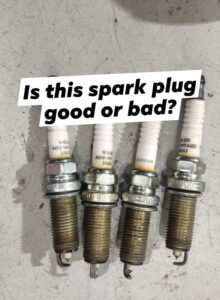
Ignition problems: In a petrol engine, faulty ignition coils, spark plugs, or related components may prevent proper combustion.
Engine sensor problems: Certain sensor failures can prevent the engine management system from controlling starting correctly.
Immobilizer problems: A security system that does not recognize the key may prevent the engine from starting.
Timing or compression problems: More serious mechanical faults can also prevent the engine from running.
How to fix it
Check that the vehicle has fuel and look for warning messages on the dashboard. If the engine cranks normally but does not start, a diagnostic scan and further testing may be necessary.
Avoid opening fuel lines or testing ignition components without the proper equipment and training.
7. A Fuel Pump or Fuel System Problem
Your car can have a fully functioning electrical system and still fail to start because the engine is not receiving fuel correctly.
The fuel pump supplies fuel from the tank to the engine at the pressure required for operation.
When the pump fails or the fuel delivery system develops a fault, the engine may crank without starting.
Signs of a fuel system problem
- The engine cranks normally but does not run.
- The vehicle stalls while driving and later refuses to restart.
- The engine struggles to start repeatedly.
- The engine loses power before failing to start.
- A fuel system warning or diagnostic code appears, if the vehicle supports it.
Some vehicles produce a brief fuel pump sound when the ignition is switched on, but the absence or presence of that sound does not conclusively establish whether the pump is working.
How to fix it
Check the fuel gauge and confirm that the vehicle has the correct fuel. If the engine continues cranking without starting, have the fuel pressure, pump operation, electrical supply, and related components checked by a qualified technician.
If you smell fuel or see a leak, stop attempting to start the vehicle and seek professional assistance.
8. A Faulty Key Fob or Immobilizer System
Modern vehicles often use electronic security systems that verify whether the correct key is present before allowing the engine to start.
If the key fob battery is weak or the immobilizer does not recognize the key, the car may have electrical power but refuse to start.
Warning signs
- A security or key warning appears on the dashboard.
- The push-button start system does not respond as expected.
- The vehicle starts with one key but not another.
- The engine cranks but does not start, depending on the vehicle’s security system.
How to fix it
If you use a push-button start system, consult the owner’s manual for the emergency key-fob recognition procedure. Some vehicles have a designated location where the fob can be placed if its battery is weak.
If available, try a spare programmed key. If the problem persists, a technician may need to diagnose the immobilizer system.
9. A Faulty Crankshaft Position Sensor
The crankshaft position sensor helps the engine management system determine the position and speed of the crankshaft.
This information is important for controlling fuel injection and ignition timing.
If the sensor or its circuit fails, some vehicles may crank normally but refuse to start.
Possible symptoms
- The engine cranks but does not start.
- The engine stalls unexpectedly.
- Starting problems occur intermittently.
- The check engine light appears.
- A diagnostic scan reveals a related fault code.
A failed sensor is only one possible cause of these symptoms. Wiring faults, fuel problems, and other engine management issues can produce similar behaviour.
How to fix it
A mechanic can scan the vehicle for diagnostic trouble codes and check the sensor signal and wiring. Replace the sensor only after testing confirms the fault.
10. What to Check First When Your Car Has Power but Will Not Start
If you find yourself in this situation, use the following checklist to guide your next steps.
- Make sure the car is safe. Apply the parking brake and select Park or Neutral as appropriate.
- Observe the dashboard. Look for warning lights, security messages, or unusual electrical behaviour.
- Listen when you try to start the engine. Note whether you hear rapid clicking, one click, no sound, or normal cranking.
- Check the battery connections visually. Look for obvious damage or corrosion without touching unsafe components.
- Confirm that the vehicle has fuel. Do not assume the fuel gauge is always accurate.
- Check the key or key fob. Follow the manufacturer’s instructions if a key recognition problem is suspected.
- Avoid repeated starting attempts. Stop if you hear grinding, notice smoke, or smell fuel.
- Arrange professional testing. A battery test, starting circuit test, or diagnostic scan can help identify the real cause.
A jump-start may help if the battery is discharged, but it is not a guaranteed fix and should only be attempted when it is safe and permitted by the manufacturer.
Frequently Asked Questions
Why do my car lights work but the engine will not start?
Your battery may have enough power for the lights but insufficient current to operate the starter motor. Other possible causes include a faulty starter, poor battery connections, a failed relay, or a security system problem.
Can a bad alternator cause my car not to start?
Yes, indirectly. A faulty alternator may fail to recharge the battery while the engine is running. The battery can eventually become discharged, leaving the vehicle unable to start. A charging system test can help confirm the cause.
How do I know whether the problem is the battery or starter?
A weak battery may cause dimming lights, rapid clicking, or slow cranking. A faulty starter may produce a single click or no engine movement despite a charged battery. Because the symptoms overlap, proper testing is the most reliable way to distinguish between them.
Should I replace my battery if my car has power?
Not necessarily. Electrical accessories can work even when a battery cannot supply enough current to start the engine. Have the battery tested before purchasing a replacement.
Can a car fail to start because of a fuse?
Yes. A blown fuse or faulty relay in the starting circuit can prevent the starter from operating. However, other electrical or mechanical faults may produce similar symptoms.
Conclusion
If your car does not start but still has electrical power, do not immediately assume that the battery is fine or that the starter motor has failed.
A weak battery, corroded terminals, a faulty starter, a damaged ignition switch, a blown fuse, fuel delivery problems, or an immobilizer fault can all prevent a vehicle from starting.
Begin by observing whether the engine cranks, checking for obvious warning signs, and making sure the vehicle is safe. If the cause is not clear, have the battery, starter circuit, and relevant engine systems tested before replacing parts.
Correct diagnosis can save money, reduce unnecessary repairs, and help prevent the same problem from returning.
For more practical car repair advice, maintenance tips, and troubleshooting guides, visit AutoUpdateZone.com and keep your vehicle running safely and reliably.