What to do if your car suddenly won’t start?
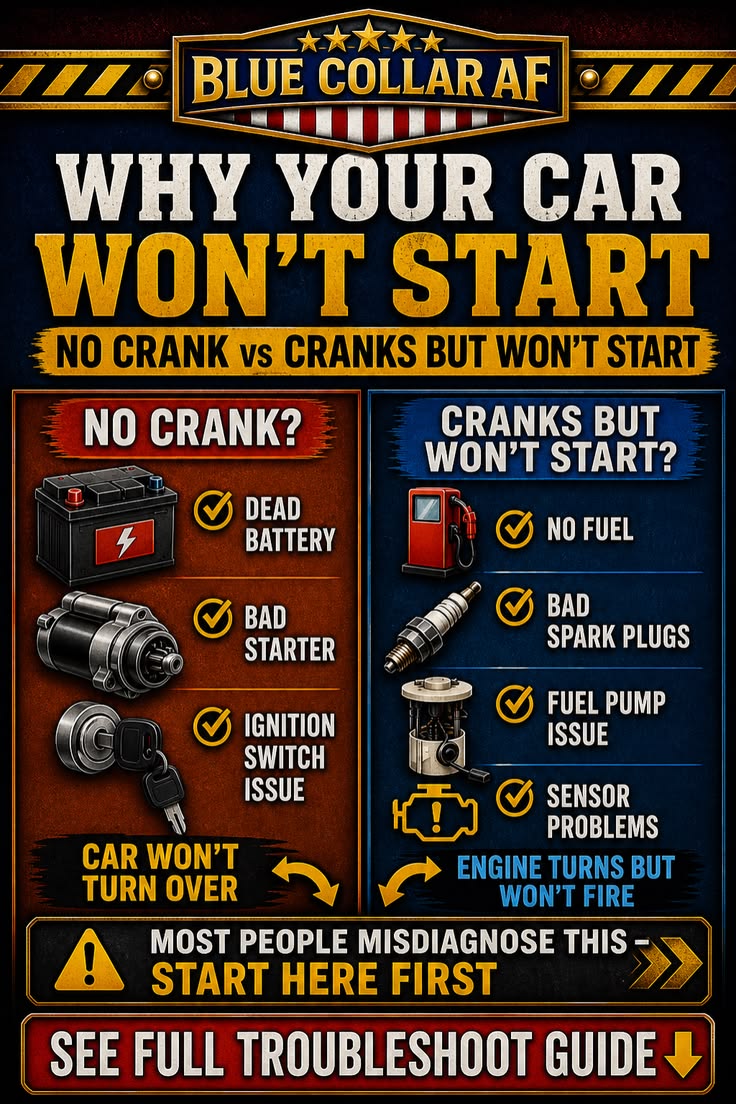
Have you ever turned your car key or pressed the start button, only to discover that your car will not start? It can be frustrating, especially when you are in a hurry to get to work, run an important errand, or travel a long distance. Fortunately, a car that suddenly refuses to start does not always have a serious mechanical problem.
Several issues can prevent a vehicle from starting, including a weak battery, a faulty starter motor, an empty fuel tank, or problems with the ignition system. Understanding the possible causes can help you identify the problem and decide what to do next.
In this guide, AutoUpdateZone.com explains what to do if your car suddenly won’t start, the common causes of starting problems, and when to call a professional mechanic.
1. Stay Calm and Make Sure You Are Safe
The first thing to do when your car refuses to start is to remain calm. If the problem occurs while you are parked in a driveway, parking lot, or roadside area, make sure the vehicle is in a safe position.
If your car stops in traffic, turn on your hazard warning lights if they are working. Move the vehicle away from traffic only if it can be done safely. If you cannot move it, stay clear of moving vehicles and seek roadside assistance when necessary.
Before troubleshooting, put an automatic transmission in Park (P) or a manual transmission in Neutral, and apply the parking brake.
If you notice smoke, a burning smell, leaking fuel, or unusual heat, do not continue trying to start the engine. Move to a safe location and contact a qualified mechanic or roadside assistance provider.
2. Check Whether the Battery Is Working
A weak or dead battery is one of the most common reasons a car will not start. Your battery supplies the electrical power needed to start the engine and operate various electrical systems.
Common signs of a weak battery include:
- The engine does not crank when you turn the key.
- You hear a clicking sound when attempting to start the car.
- The dashboard lights appear dim or flicker.
- The headlights are weaker than usual.
- The electrical accessories do not work properly.
Open the bonnet and inspect the battery visually if it is safe to do so. Look for obvious damage or loose battery connections. Do not touch damaged components or attempt to handle a leaking battery.
If you suspect the battery is discharged, you may need a battery test, a jump-start, or a replacement. Follow the vehicle manufacturer’s jump-start instructions and use the correct connection points. If you are unfamiliar with the procedure, contact a trained professional.
Remember that a battery problem may be caused by an old battery, a charging system fault, or an electrical component that continues drawing power when the vehicle is switched off.
3. Listen Carefully When You Try to Start the Engine
The sound your car makes when you attempt to start it can provide useful clues about the problem.
If you hear rapid clicking: The battery may be weak, or there could be a poor electrical connection.
If you hear one loud click: The starter motor, its solenoid, the battery, or the electrical connections may need inspection.
If the engine cranks but does not start: The problem could involve fuel delivery, ignition, engine sensors, or another engine management component.
If there is no sound at all: Possible causes include a discharged battery, a faulty ignition switch, a starter circuit problem, or a transmission safety switch.
These symptoms are clues rather than definite diagnoses. A mechanic may need to test the battery, starter circuit, fuel system, and engine electronics to identify the exact fault.
4. Make Sure Your Car Has Enough Fuel
Sometimes, a car will not start simply because it has run out of fuel. This can happen when the fuel gauge is inaccurate or the driver underestimates how much fuel remains in the tank.
Check the fuel gauge and consider whether you have driven a significant distance since your last refuelling.
If the tank is empty, add the correct fuel for your vehicle. Avoid repeatedly cranking the engine, as doing so can drain the battery.
If the tank contains enough fuel but the engine still refuses to start, there may be a problem with the fuel pump, fuel filter, fuel injectors, or another part of the fuel delivery system.
Do not attempt to inspect fuel lines or open fuel system components yourself. Fuel systems can be hazardous and should be checked by a qualified technician.
5. Check the Gear Selector and Key Fob
Modern vehicles have safety systems that prevent the engine from starting unless certain conditions are met.
For an automatic car, make sure the transmission is in Park. If the engine does not start, apply the brake and try starting it in Neutral, but only if the owner’s manual permits this procedure and the vehicle is safely secured.
For a manual car, fully depress the clutch pedal when starting.
If your vehicle uses a push-button start system, a weak key fob battery may prevent the car from recognizing the key. Some vehicles have an emergency procedure that allows you to start the engine by holding the fob near a designated sensor or backup starting position.
Check your owner’s manual for the correct method. Never force the ignition or attempt to bypass the vehicle’s anti-theft system.
6. Look for Dashboard Warning Lights
Your dashboard can provide important information when your car refuses to start.
A flashing security or immobilizer light may indicate that the vehicle does not recognize the key. A check engine light may be associated with an engine management fault, although its presence alone does not identify the cause.
If the dashboard displays a warning message, read it carefully. If the engine cranks but does not start, a diagnostic scan may help identify stored fault codes.
Keep in mind that warning lights alone cannot confirm which component has failed. A proper diagnosis may require additional testing.
7. Consider Starter Motor or Ignition Problems
If the battery is charged and the connections appear secure, the starter motor or its electrical circuit may be responsible.
The starter motor turns the engine so that combustion can begin. When it fails, the engine may not crank even though the dashboard lights work normally.
Other possible causes include a faulty starter relay, damaged wiring, a defective ignition switch, or a problem with the engine’s starting circuit.
Avoid repeatedly turning the key or holding the start button for long periods. This can overheat components and drain the battery. If the engine still will not crank, arrange for a professional inspection.
8. Know When to Call a Mechanic
Some starting problems can be resolved with a simple battery recharge or by correcting an obvious issue. Others require specialist equipment and experience.
Contact a qualified mechanic or roadside assistance provider if:
- The car will not start after a safe, correct jump-start.
- The engine cranks normally but refuses to run.
- You hear grinding noises when starting.
- The vehicle repeatedly drains its battery.
- You notice fuel leaks, smoke, or a burning smell.
- The problem returns after a repair or battery replacement.
Avoid pushing, towing, or attempting to start a modern vehicle using improvised methods. Some vehicles have specific recovery requirements, especially those with automatic transmissions or hybrid and electric powertrains.
How to Prevent Your Car From Failing to Start
Regular maintenance can reduce the risk of unexpected starting problems.
Here are some helpful tips:
- Test your battery regularly, especially as it ages.
- Keep battery terminals clean and connections secure.
- Follow the recommended engine oil and maintenance schedule.
- Maintain the correct fuel level and use the specified fuel.
- Investigate dashboard warnings instead of ignoring them.
- Have the charging system inspected if your battery repeatedly loses power.
- Replace worn components according to the manufacturer’s recommendations.
Keeping jumper cables or a suitable jump starter in your vehicle can also be useful, provided you know how to use the equipment safely.
Frequently Asked Questions
Why won’t my car start, but the lights still work?
The battery may have enough power to operate the lights but not enough to crank the engine. A faulty starter motor, poor battery connection, or starting circuit problem may also be responsible.
Can a car battery die suddenly?
Yes. A battery can fail unexpectedly, particularly if it is old, damaged, or affected by extreme temperatures. A charging system problem can also cause the battery to become discharged.
Should I keep trying to start my car?
No. Repeated attempts can drain the battery and overheat the starter motor. If the engine does not start after a few brief attempts, stop and investigate the likely cause or seek professional help.
How much does it cost to fix a car that won’t start?
The cost depends on the cause, the vehicle model, the required parts, and local labour charges. A discharged battery may need charging, while a failed starter motor or fuel system component may require a more expensive repair. Get a diagnosis and estimate before authorizing major work.
Conclusion
When your car suddenly won’t start, the best approach is to stay safe, observe the symptoms, and check the simple possibilities first. A weak battery, insufficient fuel, an incorrectly positioned gear selector, or a key fob problem may be responsible. More complex issues can involve the starter motor, fuel delivery system, ignition components, or engine electronics.
Avoid guessing or replacing parts without proper testing. If basic checks do not resolve the issue, a qualified mechanic can diagnose the fault and recommend the right repair.
For more practical car repair advice, troubleshooting guides, and vehicle maintenance tips, visit AutoUpdateZone.com and keep your vehicle running safely and reliably.