Common Causes of Car Air Conditioning Problems
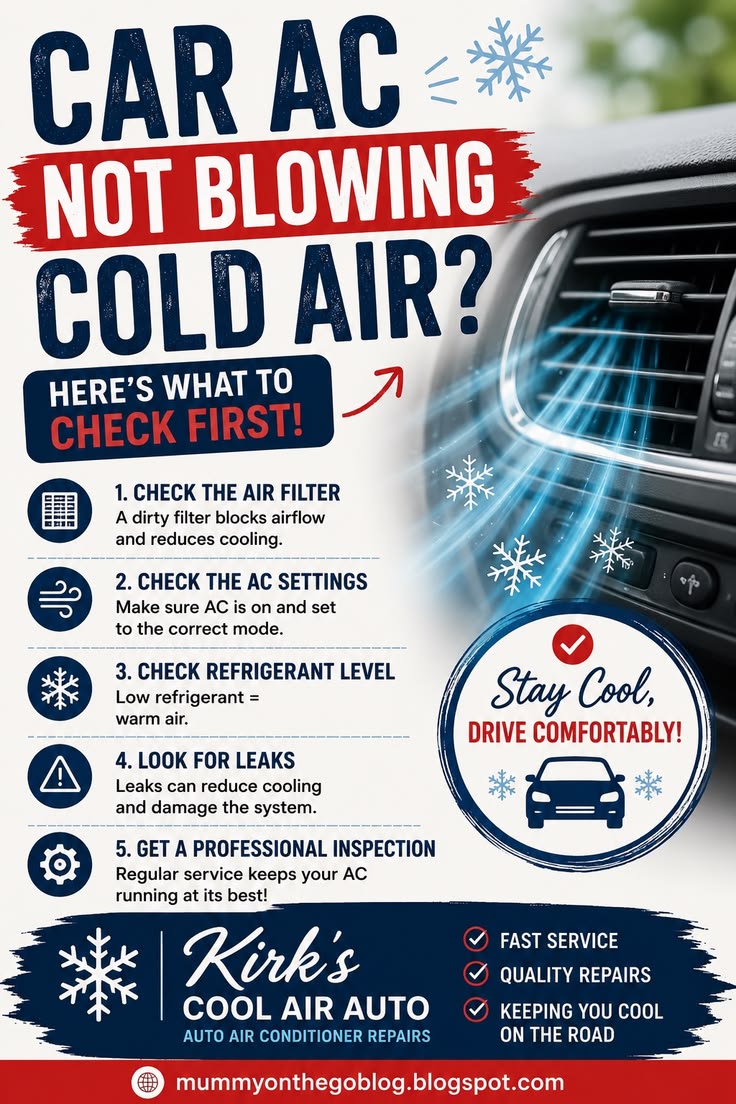
A car’s air conditioning system is essential for comfortable driving, especially in hot weather. It helps keep the cabin cool, reduces humidity, and makes long journeys more enjoyable. However, like other vehicle components, the air conditioning system can develop problems over time. When this happens, you may notice that your car is blowing warm air, producing unpleasant smells, making unusual noises, or struggling to cool the interior.
Understanding the common causes of car air conditioning problems can help you identify potential faults early and avoid expensive repairs. Some issues are relatively simple to fix, while others require professional diagnosis and specialized equipment.
In this article, we will discuss the most common causes of car air conditioning problems, their warning signs, and what you can do to keep your vehicle’s cooling system working properly.
1. Low Refrigerant Levels
Low refrigerant is one of the most common reasons a car’s air conditioning system fails to produce cold air. Refrigerant is the substance that absorbs heat from inside the vehicle and releases it outside through the air conditioning system.
When the refrigerant level becomes too low, the system may struggle to cool the cabin effectively. You might notice that the air coming through the vents is only slightly cool or becomes warm after a short period.
Refrigerant levels can drop because of leaks in hoses, seals, connections, the condenser, or other components. Unlike engine oil, refrigerant should not normally need frequent topping up during routine maintenance.
Solution: Have a qualified technician inspect the system for leaks before recharging it. Simply adding refrigerant without fixing the underlying leak may provide only temporary relief.
2. A Faulty AC Compressor
The air conditioning compressor is responsible for circulating and pressurizing refrigerant throughout the system. It plays a major role in the cooling process.
When the compressor fails, the air conditioning system may stop producing cold air altogether. Other warning signs include clicking, grinding, or rattling noises when the AC is switched on.
Compressor problems can result from normal wear, inadequate lubrication, electrical faults, refrigerant-related issues, or contamination within the system.
In some vehicles, a faulty compressor clutch or control valve may cause similar symptoms without the entire compressor being defective.
Solution: Ask a mechanic to inspect the compressor, clutch where fitted, electrical controls, and refrigerant pressures. Replacing the compressor may be necessary if it has suffered internal damage, but proper diagnosis helps avoid unnecessary replacement.
3. A Blocked or Dirty Cabin Air Filter
The cabin air filter cleans the air entering your vehicle through the ventilation system. It traps dust, pollen, dirt, and other particles before they reach the cabin.
Over time, the filter can become clogged, particularly if you frequently drive on dusty roads or in areas with heavy traffic and air pollution.
A dirty cabin filter can reduce airflow from the AC vents, making it seem as though the system is not cooling properly. You may also notice unpleasant smells or increased dust inside the cabin.
Solution: Inspect and replace the cabin air filter according to the vehicle manufacturer’s maintenance schedule. In dusty driving conditions, more frequent inspection may be necessary.
Replacing a clogged filter is usually a relatively inexpensive maintenance task.
4. A Dirty or Damaged AC Condenser
The condenser releases heat from the refrigerant into the outside air. It is usually located near the front of the vehicle, where it receives airflow through the grille.
Because of its position, the condenser can collect dust, insects, leaves, and road debris. Bent fins, corrosion, or physical damage can also reduce its ability to release heat.
When the condenser cannot remove heat effectively, the air conditioning system may struggle to cool the cabin, particularly when the vehicle is stationary or moving slowly.
Solution: Have the condenser inspected and cleaned when necessary. Damaged components may require repair or replacement. Cleaning should be performed carefully to avoid bending the delicate fins or damaging nearby parts.
5. Faulty Cooling Fans
The cooling fans help move air through the radiator and condenser, especially when the vehicle is stationary or travelling at low speeds.
If a fan motor, relay, fuse, wiring connection, or fan control system fails, the condenser may not receive enough airflow to release heat efficiently.
One common symptom is an AC system that cools reasonably well while driving but becomes less effective when the car is stopped in traffic.
Depending on the vehicle, a faulty fan may also contribute to engine overheating.
Solution: Have the cooling fans and their electrical controls inspected. If the engine temperature rises above normal, stop safely and address the overheating problem rather than continuing to drive.
6. Refrigerant Leaks
Refrigerant leaks are another frequent cause of air conditioning problems. Leaks can develop in rubber hoses, metal pipes, seals, O-rings, evaporators, condensers, or compressor connections.
Common signs include gradually reduced cooling performance, repeated refrigerant loss, and oily residue around a leaking connection. Some leaks are difficult to see because components are hidden behind dashboard panels or other engine parts.
Refrigerant leaks should not be ignored because the system may eventually stop cooling altogether.
Solution: A qualified technician can use appropriate leak-detection methods, such as electronic detectors or approved ultraviolet dye where suitable, to locate the problem. The leak should be repaired before the system is recharged.
Avoid releasing refrigerant into the atmosphere or attempting repairs without the correct equipment.
7. Electrical Problems
Modern car air conditioning systems rely on electrical components to operate correctly. These may include fuses, relays, pressure sensors, temperature sensors, wiring, switches, and electronic control modules.
A fault in any of these components can prevent the compressor from engaging or stop the system from responding to your selected temperature settings.
For example, a blown fuse may prevent the AC from operating, while a faulty pressure sensor may prevent the compressor from running as a protective measure.
Sometimes, the air conditioning system may work intermittently, switching on and off without a clear pattern.
Solution: Have the electrical system checked using appropriate diagnostic tools. A mechanic can test the fuses, wiring, sensors, and control systems to identify the source of the problem.
Avoid replacing parts randomly, as several electrical faults can produce similar symptoms.
8. A Faulty Expansion Valve or Orifice Tube
The expansion valve or orifice tube regulates the flow of refrigerant into the evaporator, where heat is absorbed from the cabin air.
If this component becomes blocked, stuck, or defective, refrigerant may not flow through the system correctly. This can result in weak cooling, inconsistent temperatures, or abnormal refrigerant pressures.
Contamination or moisture inside the air conditioning system can contribute to restrictions and damage.
Solution: A technician should inspect system pressures and other operating conditions to determine whether the expansion device is faulty. Repairs may also require addressing contamination or moisture in the system.
9. A Frozen Evaporator
The evaporator absorbs heat from the air passing through it before the cooled air enters the cabin.
Under certain conditions, ice can build up on the evaporator and restrict airflow. You may initially notice strong cooling, followed by a gradual reduction in airflow from the vents.
Possible causes include restricted airflow from a dirty cabin filter, a malfunctioning blower, low refrigerant levels, or a faulty temperature control system.
Solution: Switch off the AC cooling function and have the system inspected if freezing repeatedly occurs. The underlying cause must be corrected to prevent the problem from returning.
Do not assume that simply allowing the ice to melt has permanently fixed the fault.
10. A Faulty Blower Motor
The blower motor pushes air through the ventilation system and into the vehicle’s cabin.
If the blower motor fails, the AC may be cooling properly, but little or no air will come out of the vents. You may also hear unusual noises or notice that the fan only works at certain speed settings.
Problems with the blower resistor, electronic fan controller, fuse, or wiring can cause similar symptoms.
Solution: Have the blower motor and its control components tested. Depending on the diagnosis, the faulty part may need cleaning, repair, or replacement.
How to Prevent Car AC Problems
Regular maintenance can help your air conditioning system operate efficiently and reduce the likelihood of unexpected failures.
Follow these practical tips:
- Replace the cabin air filter regularly: This helps maintain proper airflow and cabin air quality.
- Inspect the system when cooling performance changes: Early diagnosis can prevent minor problems from becoming more expensive.
- Keep the condenser clean: Remove accumulated debris carefully and avoid damaging the fins.
- Use the AC periodically: Operating the system as recommended by the manufacturer can help maintain its components.
- Fix refrigerant leaks promptly: Repeatedly topping up refrigerant without repairing leaks wastes money and can harm the environment.
- Follow the manufacturer’s maintenance schedule: Have the system inspected when recommended and whenever unusual symptoms appear.
If your AC produces a strong unusual smell, makes grinding noises, or suddenly stops cooling, arrange an inspection rather than continuing to operate a potentially damaged system.
Conclusion
Car air conditioning problems can result from several issues, including low refrigerant levels, compressor failure, dirty cabin filters, condenser damage, faulty cooling fans, electrical faults, and blocked expansion devices.
Recognizing these warning signs early can help you identify problems before they become more expensive to repair. Although replacing a cabin air filter may be straightforward, refrigerant leaks, compressor faults, and electrical problems often require professional diagnosis.
If your car’s AC is blowing warm air, producing unusual noises, or providing weak airflow, have the system inspected by a qualified technician. Regular maintenance and timely repairs can help keep your vehicle cool, comfortable, and reliable, even during the hottest days of the year.